


When it comes to advanced composite materials, carbon fiber fabric stands out as one of the most versatile, high-performance, and lightweight solutions available today. Whether you are manufacturing aerospace components, building high-performance automotive parts, or developing cutting-edge sports equipment, understanding the properties and applications of this remarkable material is crucial for project success. At Impact Materials, we bring 20 years of industry expertise to help you navigate the complex world of carbon fiber fabrics and select the perfect solution for your specific requirements.
The evolution of composite materials has seen carbon fiber fabric become a foundational element in modern high-performance manufacturing. This highly engineered fabric, woven from continuous carbon filaments, offers an unparalleled combination of exceptional strength, rigidity, and ultra-lightweight properties. As a composite materials supplier serving 120+ countries worldwide, we have witnessed firsthand how the strategic application of carbon fiber fabric can transform product design, dramatically reduce weight, and significantly enhance performance across various industrial sectors.
Table of Contents
1. What is Carbon Fiber Fabric?
Carbon fiber fabric is a highly engineered woven textile made from continuous carbon filaments, typically 5-10 micrometers in diameter. These filaments are bundled into tows containing 1,000 to 24,000 individual filaments (designated as 1K, 3K, 6K, 12K, 24K) and then woven together on industrial looms to create flexible, strong, and lightweight fabric structures.
The manufacturing process begins with a precursor material, most commonly polyacrylonitrile (PAN), which undergoes oxidation, carbonization at temperatures exceeding 1,000°C, and surface treatment to create the final carbon fiber. The resulting fabric exhibits exceptional mechanical properties that make it indispensable for high-performance applications across aerospace, automotive, marine, and industrial sectors.
The true power of carbon fiber fabric is realized when it is used as a reinforcement matrix in composite materials. When combined with appropriate resin systems such as epoxy, polyester, or vinyl ester, the dry carbon fiber fabric transforms into a rigid, ultra-lightweight composite structure. This resulting material offers up to 5-6 times the strength of structural steel at approximately one-quarter the weight. From raw materials to finished products, we provide one-stop solutions that ensure your composite structures achieve maximum performance and longevity.
2. Key Properties and Advantages
The widespread global adoption of carbon fiber fabric is driven by its exceptional physical, mechanical, and chemical properties. Understanding these characteristics is essential for engineers, designers, and manufacturers when optimizing their material selection for demanding applications.
2.1 Strength-to-Weight Ratio
Despite its lightweight nature, woven carbon fiber exhibits remarkable tensile strength. High-performance carbon fiber fabrics can achieve tensile strengths ranging from 3,530 MPa (T300 grade) to 5,490 MPa (T800 grade), making them up to 5-6 times stronger than structural steel on a weight-for-weight basis. This incredible strength-to-weight ratio makes carbon fiber composite material an indispensable choice in applications where reducing mass without compromising structural integrity is paramount.
2.2 Stiffness & Dimensional Stability
Carbon fiber fabric offers exceptional stiffness (modulus of elasticity) ranging from 230 GPa (standard modulus) to 294 GPa (high modulus). This high stiffness ensures minimal deflection under load, making it ideal for precision components, structural beams, and applications requiring tight tolerances. Additionally, carbon fiber has a near-zero coefficient of thermal expansion, ensuring dimensional stability across wide temperature ranges.
2.3 Fatigue & Corrosion Resistance
Unlike traditional metals that are prone to rust and corrosion, carbon fiber fabric is highly resistant to chemical and environmental degradation. It withstands prolonged exposure to water, harsh industrial chemicals, and various corrosive environments without losing its structural integrity. This exceptional corrosion resistance ensures long-lasting performance even in aggressive marine, chemical processing, or industrial settings, significantly reducing maintenance costs over the product lifecycle.
3. Tow Sizes: 1K vs 3K vs 6K vs 12K vs 24K
Selecting the appropriate tow size is critical for balancing performance requirements, surface finish, and cost constraints. Impact Materials supplies five primary tow sizes of carbon fiber fabric, each optimized for different application categories.
| Tow Size | Filament Count | Surface Finish | Best Applications | Cost Level |
|---|---|---|---|---|
| 1K | 1,000 filaments | Finest finish, smallest weave pattern | Medical devices, precision instruments, electronic components | Premium |
| 3K | 3,000 filaments | Fine finish, classic carbon fiber look | Automotive trim, consumer products, sporting goods, aerospace interiors | Mid-Range (Most Popular) |
| 6K | 6,000 filaments | Medium finish, balanced properties | Industrial components, marine parts, general structural applications | Economical |
| 12K | 12,000 filaments | Coarser weave, faster coverage | Large structural panels, automotive body panels, wind turbine blades | Most Economical |
| 24K | 24,000 filaments | Coarsest weave, maximum coverage | Heavy industrial applications, large-scale infrastructure, cost-critical projects | Lowest Cost |
4. Weave Patterns: Plain, Twill, Satin, UD
The performance characteristics, drapability, and resin absorption rates of woven carbon fiber fabric are heavily influenced by how the carbon fiber tows are woven together. Selecting the correct weave pattern is just as important as selecting the right tow size or grade.
| Weave Pattern | Visual Characteristics | Performance & Applications |
|---|---|---|
| Plain Weave | Simple over-under checkerboard pattern. The most common and recognizable weave. | Highly stable and uniform, excellent resin impregnation. Ideal for flat panels, compression molding, and applications requiring dimensional stability. |
| Twill Weave (2×2, 4×4) | Distinctive diagonal pattern (classic carbon fiber look) created by passing warp yarns over multiple weft yarns. | Offers excellent drapability and flexibility. Perfect for molding around complex curves, automotive body panels, aerospace components, and visible cosmetic parts. |
| Satin Weave (4HS, 5HS, 8HS) | One warp yarn passes over several weft yarns before going under one, creating a very flat, smooth surface. | Provides high strength and superior surface finish. Excellent for aerospace applications and parts requiring a flawless cosmetic appearance with minimal print-through. |
| Unidirectional (UD) | 90-95% of fibers aligned in one direction (0°), minimal fibers in perpendicular direction for stability. | Maximum strength and stiffness in fiber direction. Ideal for structural beams, pressure vessels, wind turbine blades, and high-load components requiring precise fiber orientation. |
5. Major Applications by Industry
As a composite materials supplier serving 120+ countries worldwide, Impact Materials has supported over 3,200 successful projects across diverse industries. Here are the primary application sectors where carbon fiber fabric delivers exceptional value.
5.1 Aerospace & Aviation
Carbon fiber fabric is extensively used in aircraft interior panels, secondary structures, drone frames, and UAV components. The weight savings directly translate into improved fuel efficiency, extended range, and increased payload capacity. Our T700 and T800 grades are commonly specified for aerospace applications requiring FAA/EASA compliance and full material traceability.
5.2 Automotive & Transportation
High-performance automotive manufacturers utilize carbon fiber fabric for body panels, hoods, roof panels, chassis components, and interior trim pieces. The dramatic weight reduction improves acceleration, handling, braking, and fuel efficiency. Electric vehicle manufacturers increasingly adopt carbon fiber for battery enclosures and structural components to offset battery weight and extend driving range.
5.3 Marine & Water Sports
Marine applications include racing yacht masts, hulls, decks, and interior components. Carbon fiber’s corrosion resistance makes it ideal for saltwater environments, while the weight savings improve vessel speed, stability, and fuel efficiency. Our marine-grade carbon fiber fabrics are specifically engineered for vacuum infusion and hand layup processes.
5.4 Sports & Recreation
Professional sports equipment manufacturers rely on carbon fiber fabric for bicycle frames, tennis rackets, golf club shafts, fishing rods, and hockey sticks. The superior stiffness-to-weight ratio enhances performance, while the material’s vibration damping properties improve comfort and control during extended use.
5.5 Industrial & Manufacturing
Industrial applications span robotic arms, automation equipment, pressure vessels, wind turbine blades, and medical devices. The combination of high strength, lightweight properties, and corrosion resistance makes carbon fiber ideal for demanding industrial environments where reliability and performance are critical.
6. Premium Carbon Fiber Products from Impact Materials
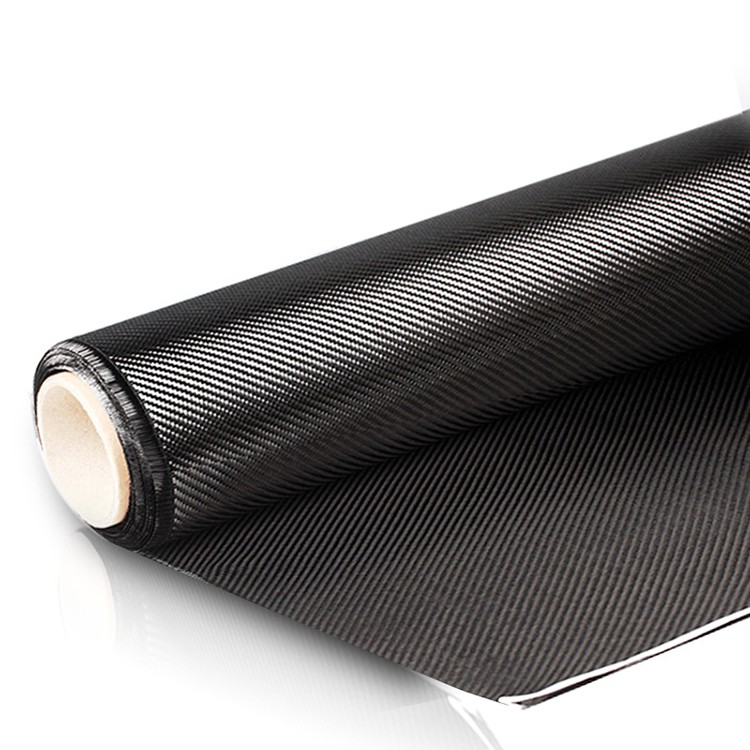
Carbon Fiber Fabric
High-quality woven carbon fiber available in plain, twill, and unidirectional patterns. T300/T700/T800 grades from 90gsm to 600gsm. Ideal for aerospace, automotive, and marine applications.
View Product Details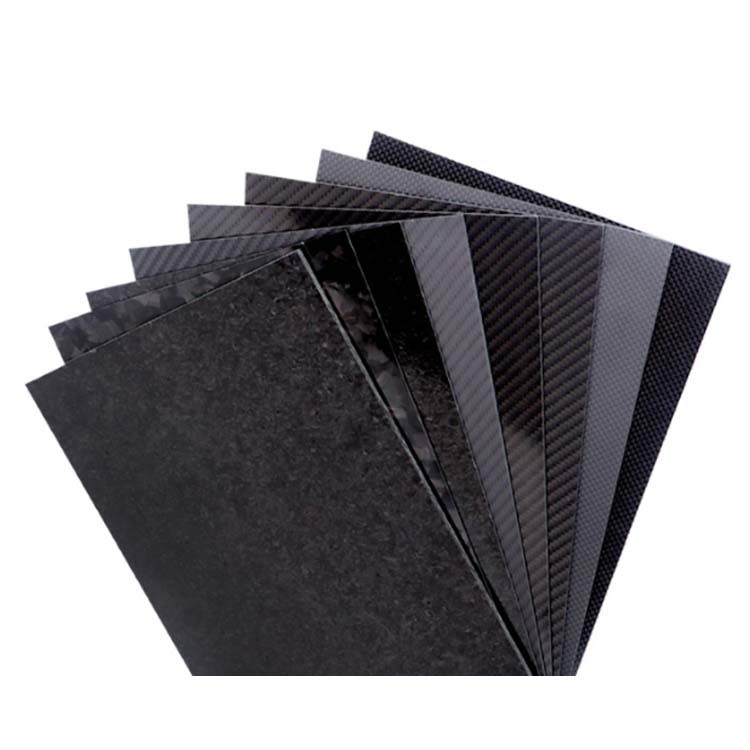
Carbon Fiber Sheet
Pre-cured carbon fiber plates in various thicknesses (0.5mm to 50mm). Available in glossy or matte finish, plain or twill weave. Perfect for structural reinforcement and custom fabrication projects.
View Product Details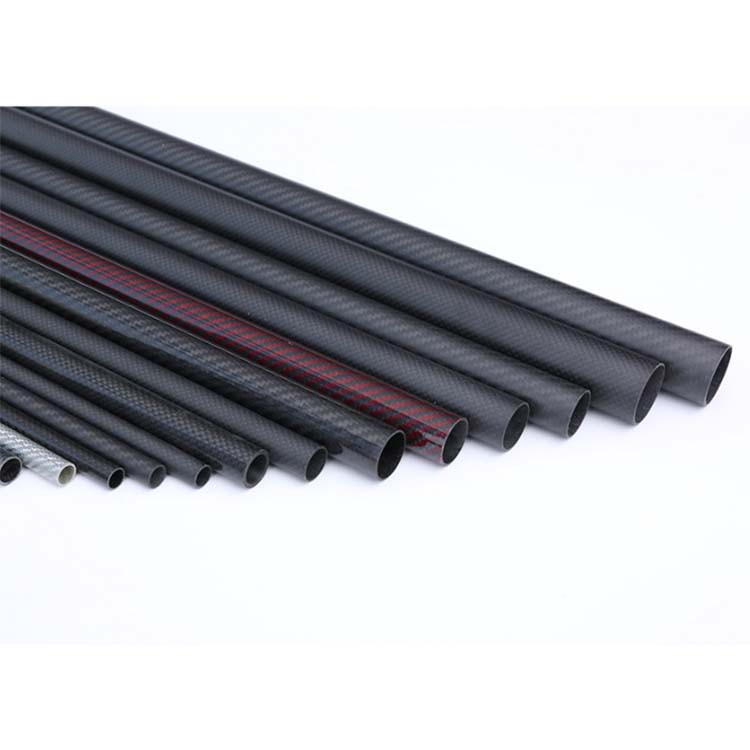
Carbon Fiber Tube
Pultruded and rolled carbon fiber tubes in round, square, and rectangular profiles. Diameters from 3mm to 400mm. Ideal for drone frames, robotic arms, and structural applications requiring high stiffness.
View Product Details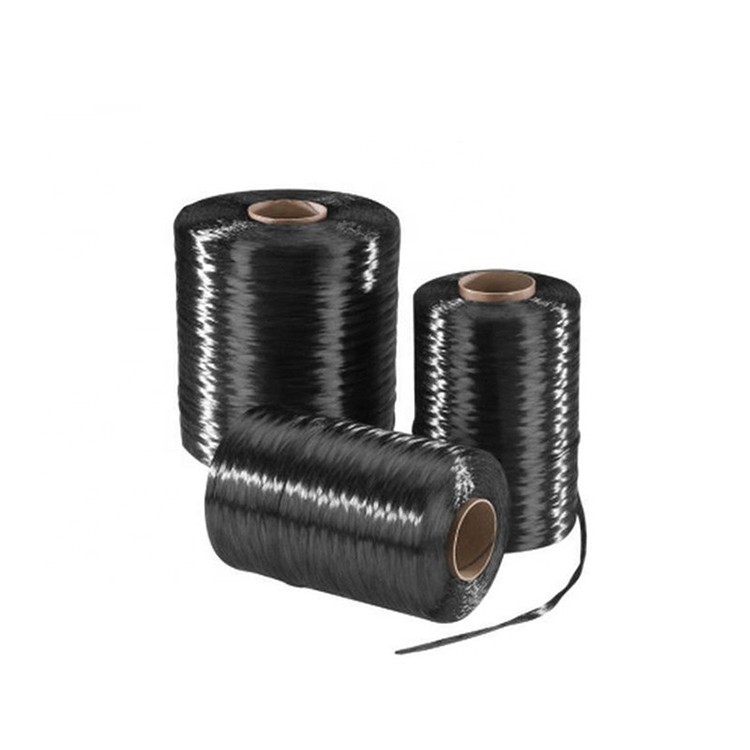
Carbon Fiber Yarn
Continuous carbon fiber roving for filament winding, pultrusion, and weaving applications. Available in 1K, 3K, 6K, 12K, and 24K tow sizes. Optimized for industrial manufacturing processes.
View Product Details7. Frequently Asked Questions (FAQ)
Q: What is the difference between carbon fiber fabric and carbon fiber cloth?
A: The terms “carbon fiber fabric” and “carbon fiber cloth” are often used interchangeably in the industry. Both refer to woven carbon fiber materials. Some manufacturers use “fabric” for heavier weights (200gsm+) and “cloth” for lighter weights, but this is not a standardized distinction. At Impact Materials, we use both terms to describe our woven carbon fiber products.
Q: What is the difference between 3K and 12K carbon fiber fabric?
A: The “K” refers to the number of filaments in each tow. 3K = 3,000 filaments, 12K = 12,000 filaments. 3K produces a finer weave pattern with better surface finish, ideal for visible cosmetic parts. 12K offers faster coverage and lower cost per unit area, making it ideal for large structural panels where surface finish is less critical.
Q: What resin is best for carbon fiber fabric?
A: Epoxy resin offers the best mechanical properties and is preferred for aerospace and high-performance applications. Polyester resin is more economical for general industrial use. Vinyl ester provides excellent chemical resistance. Phenolic resin is required for fire/smoke/toxicity (FST) compliant aerospace interior applications. The choice depends on your specific performance requirements and budget constraints.
Q: How do I calculate how much carbon fiber fabric I need?
A: Calculate the surface area of your part in square meters, then multiply by the number of plies in your laminate design. Add 10-15% for cutting waste and overlap. For example, a 0.5m² part with 4 plies requires approximately 2.2-2.3m² of carbon fiber fabric. Our technical team can provide precise material estimates based on your specific project requirements.
Q: Can carbon fiber fabric be used without resin?
A: No, carbon fiber fabric requires a resin matrix (epoxy, polyester, vinyl ester, or phenolic) to transfer loads between fibers and provide compressive strength. The resin typically accounts for 35-45% of the final composite weight. Dry carbon fiber fabric alone has no structural capability and must be impregnated with resin to form a functional composite material.
Q: What is the shelf life of carbon fiber fabric?
A: Carbon fiber fabric itself has an indefinite shelf life when stored properly in a clean, dry environment away from moisture and contaminants. However, prepreg (pre-impregnated) carbon fiber has a limited shelf life of 6-12 months when stored at -18°C, or 1-3 months at room temperature. Always store dry carbon fiber fabric in sealed packaging to prevent contamination.
Q: Do you offer free samples?
A: Yes, Impact Materials provides free A4-sized samples (210×297mm) for evaluation. Standard samples ship within 3-5 days via express courier. Custom samples (specific grade, weave, or weight) may require 7-10 days. Contact our sales team with your requirements, and we will ensure you receive the right materials for your project evaluation.
8. Conclusion
Carbon fiber fabric remains a foundational and irreplaceable material in modern high-performance manufacturing, offering an unbeatable combination of exceptional tensile strength, ultra-lightweight properties, corrosion resistance, and design flexibility. Whether you are building a high-performance racing vehicle, developing advanced aerospace components, or manufacturing premium sports equipment, selecting the right carbon fiber fabric is the crucial first step toward a successful composite project.
As you plan your next manufacturing endeavor, remember that the quality of your raw materials dictates the quality of your final product. With 12 product lines and over 400 specifications, Impact Materials is your trusted, globally recognized partner in composite manufacturing. Our dedicated technical team is ready to assist you in selecting the perfect materials, grades, weave patterns, and specifications for your unique application. From raw materials to finished products, we provide one-stop solutions.
Ready to Elevate Your Next Project?
Contact our technical experts today to discuss your carbon fiber fabric requirements and discover how we can add value to your manufacturing process.