


Carbon Fiber for Automotive: Enhancing Performance & Efficiency
In the ever-evolving automotive industry, the demand for lightweight, high-strength materials has never been greater. According to industry data, using carbon fiber components in vehicles can reduce overall weight by up to 60%, significantly improving fuel efficiency and performance. This article will delve into the specific benefits of carbon fiber for automotive applications, including its use in car interiors and structural components. We’ll also explore the considerations for sourcing high-quality carbon fiber products, drawing on the expertise of Impact Materials, a leading composite materials manufacturer based in Hangzhou, China. With 20 years of experience and a global reach serving 120+ countries, Impact Materials is well-equipped to meet diverse market demands with over 400 product specifications available.
Key Takeaways
- Carbon fiber components can reduce vehicle weight by up to 60%, improving fuel efficiency.
- Customizable carbon fiber solutions allow precise fitting and aesthetic integration in vehicles.
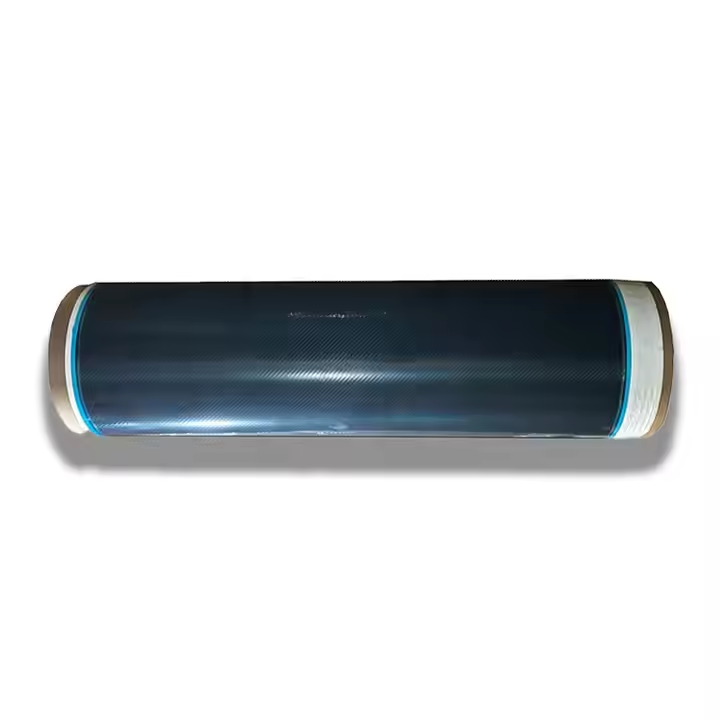
- Materials like 3K Twill Carbon Fiber Prepreg offer high tensile strength of 600 MPa.
- Evaluate suppliers on ISO 9001 certification, lead times, and customization capabilities.
Properties and Advantages of Carbon Fiber in Automotives
Material Composition and Strength
Carbon fiber is renowned for its exceptional strength-to-weight ratio, making it an ideal choice for automotive applications. Typically, carbon fibers exhibit tensile strengths ranging from 400 to 700 MPa and a modulus of elasticity of 240 GPa. This allows for the production of lightweight yet durable components, which are crucial for performance-driven automotive designs.
- High tensile strength: 600 MPa (e.g., 3K Twill Carbon Fiber)
- Low density: Approximately 1.6 g/cm³
- High thermal stability: Suitable for temperatures up to 150°C
- Excellent fatigue resistance
Incorporating materials like the 3K Twill Carbon Fiber Fabric Epoxy Resin Prepreg ensures high-performance and reliability in automotive applications.
Weight Reduction and Efficiency
One of the primary benefits of carbon fiber in automotive design is its ability to significantly reduce vehicle weight without compromising strength or safety. This reduction in weight translates to enhanced fuel efficiency and lower emissions, aligning with global sustainability goals. According to ISO 14125 testing, carbon fiber composites can achieve up to a 50% weight reduction compared to traditional steel components.
| Material | Tensile Strength (MPa) | Density (g/cm³) |
|---|---|---|
| Carbon Fiber | 600 | 1.6 |
| Aluminum | 310 | 2.7 |
| Steel | 500 | 7.8 |
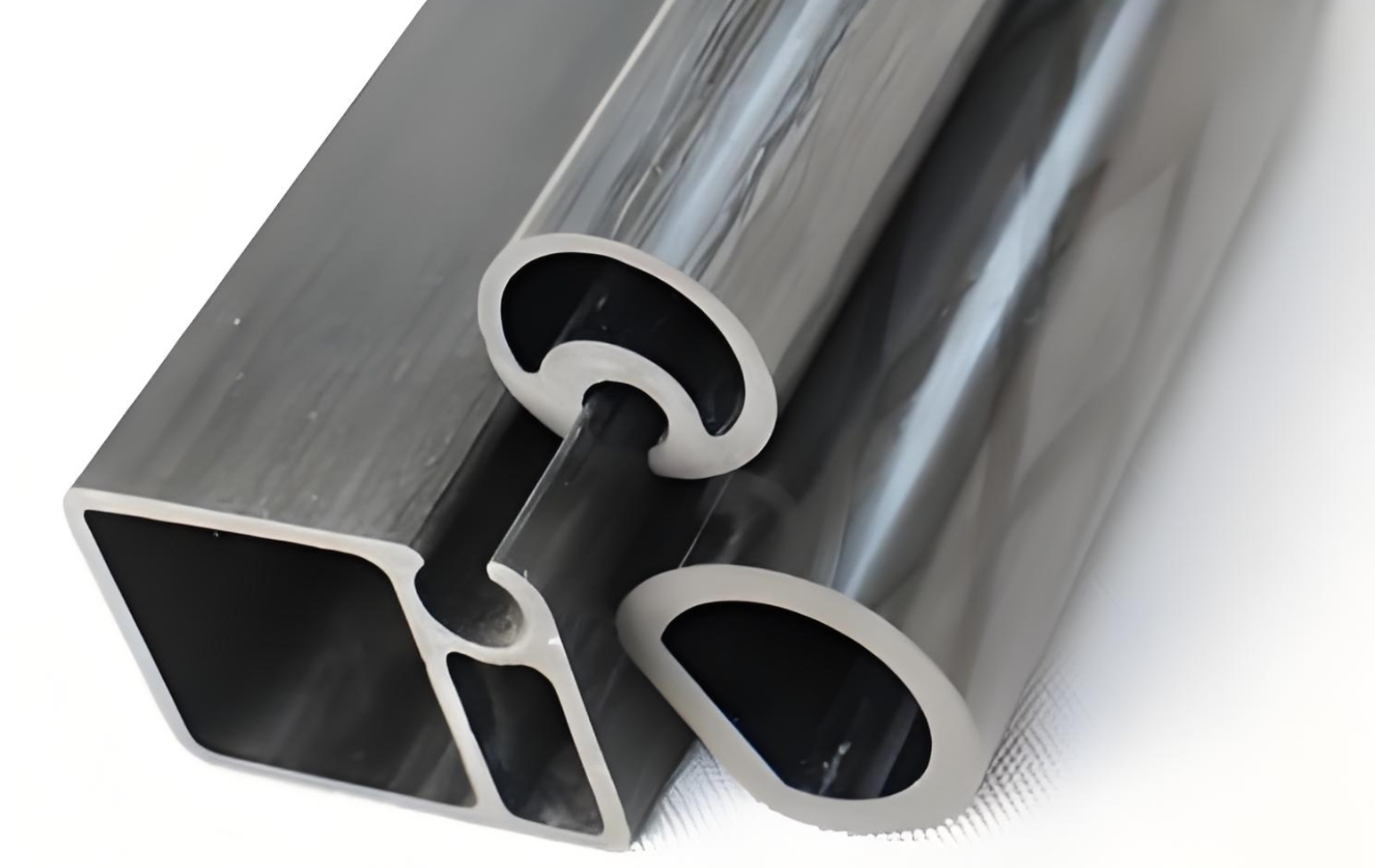
Impact Materials provides tailored solutions like the Special Section Pultruded Carbon Fiber Rod for structural automotive components.
Applications of Carbon Fiber in Automotive Design
Interior Components
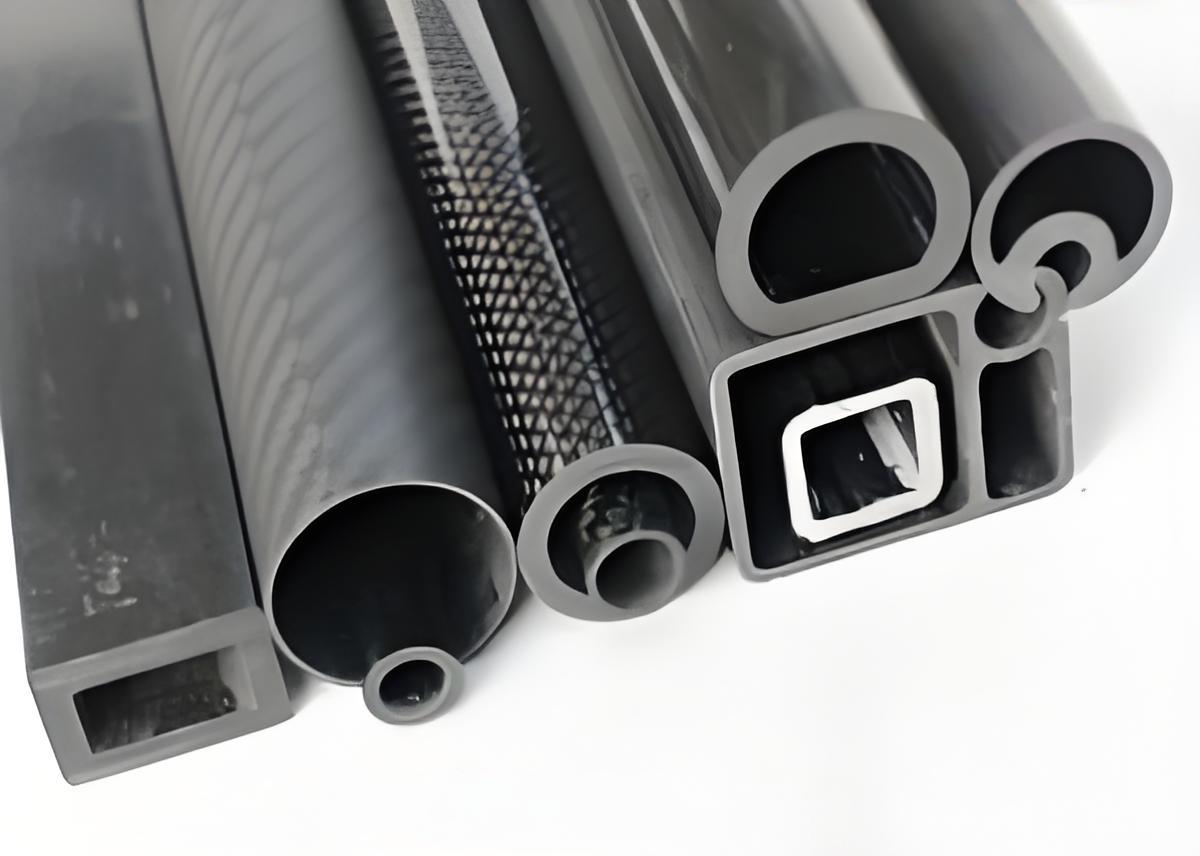
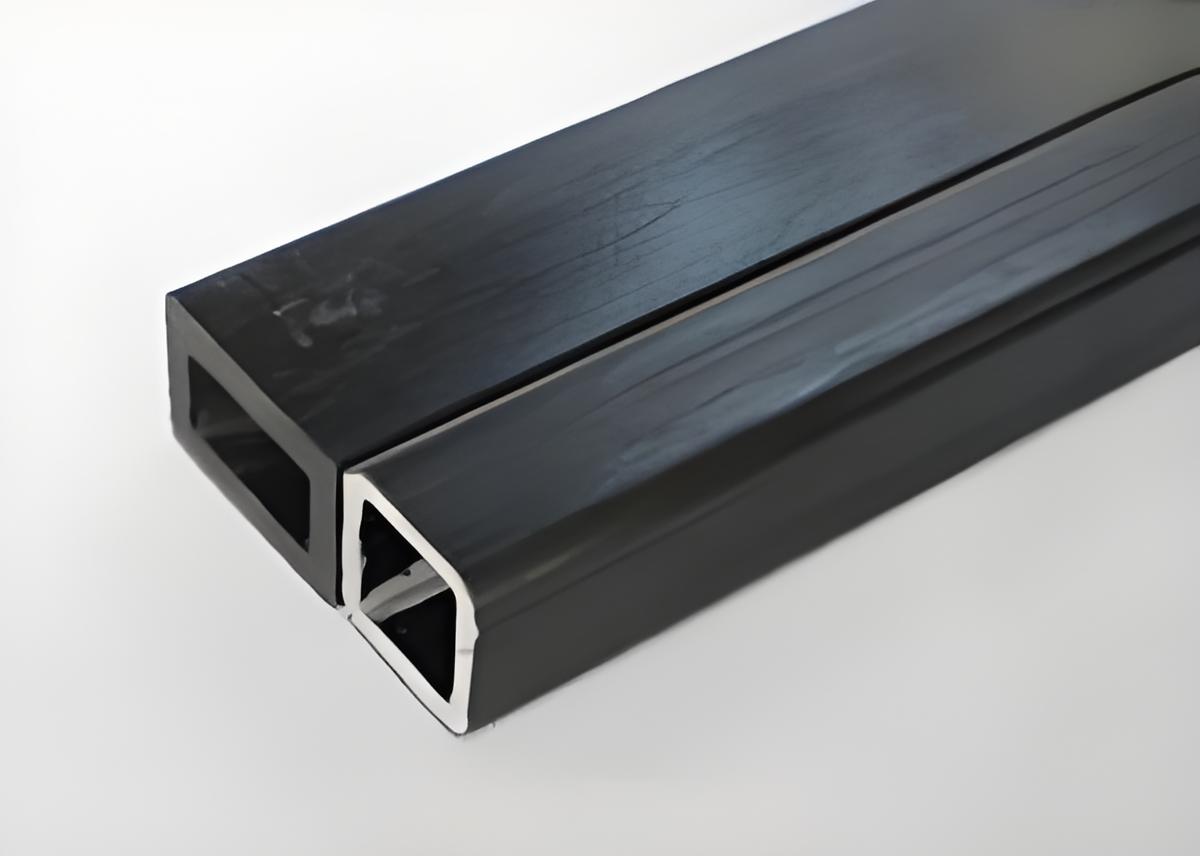
The aesthetic and functional benefits of carbon fiber extend to automotive interiors. Common applications include dashboards, door panels, and seat frames, where the sleek appearance of carbon fiber complements modern design trends. Products like the Matte / Glossy Pultrusion Carbon Composite Material CFRP Carbon Fiber Square Pipe are ideal for such applications, offering both visual appeal and structural integrity.
Structural and Exterior Parts
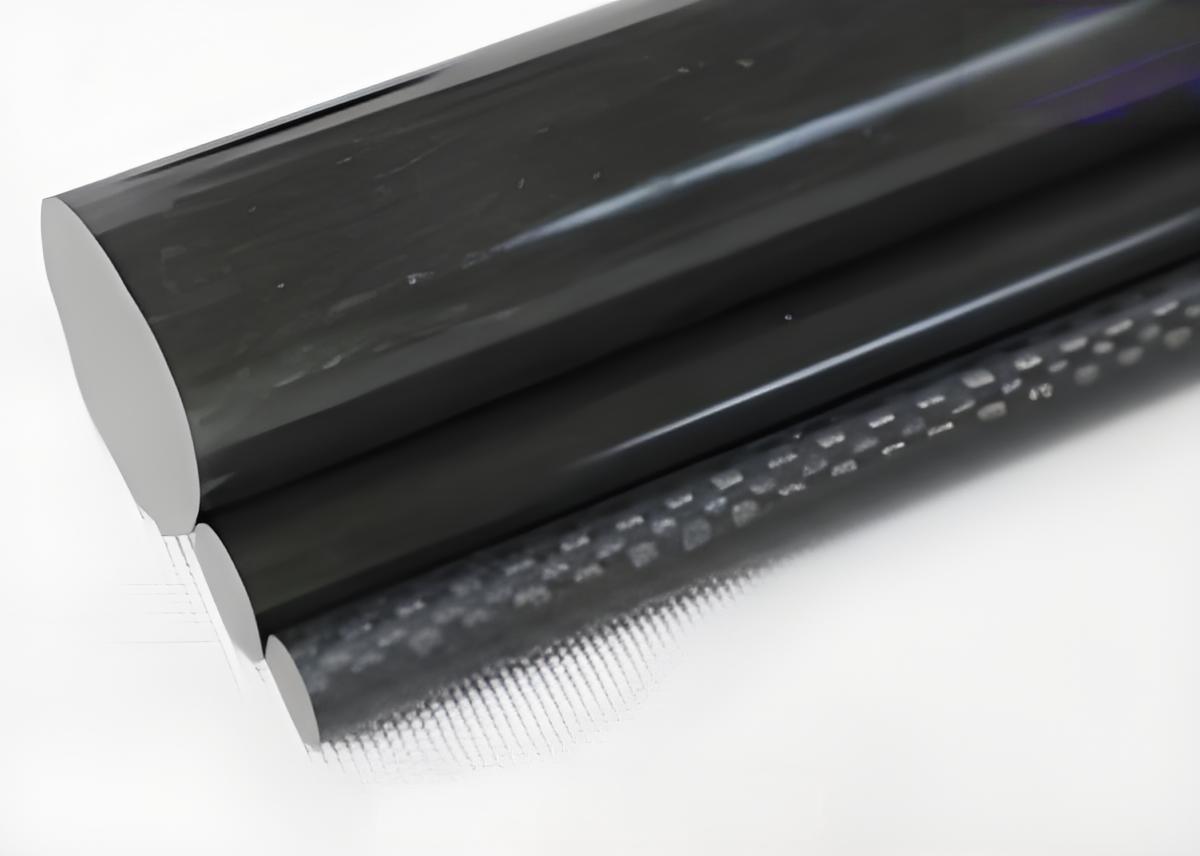
Carbon fiber is also extensively used in the manufacture of structural and exterior parts such as body panels, hoods, and spoilers. These components benefit from the material’s high strength-to-weight ratio and resistance to environmental conditions. The Round Rod Carbon Composite Material is frequently utilized for such applications, ensuring durability and performance.
Featured Carbon Fiber For Automotive Products
Explore our top-rated carbon fiber for automotive products from Impact Materials, trusted by manufacturers in 120+ countries.
Sourcing Carbon Fiber for Automotive Applications
Supplier Selection Criteria
When sourcing carbon fiber, it’s crucial to evaluate suppliers based on their experience, quality certifications, and ability to customize products. Impact Materials, with ISO 9001 certification, assures quality and reliability with a track record of 3,200+ successful projects worldwide.
- Check for ISO and ASTM certifications
- Assess customization capabilities
- Review supplier’s global service ability
- Ensure transparent lead times and MOQ
Contacting trusted suppliers like Impact Materials ensures access to high-quality, customizable solutions tailored to specific automotive needs. Reach out to them via their contact page for more information.
Need a custom solution? Our technical experts are ready to help.
Technical Considerations in Carbon Fiber Manufacturing
CNC Machining and Customization
Carbon fiber can be intricately shaped and cut to size using advanced CNC machining techniques, allowing for precision manufacturing of complex automotive components. This flexibility enables manufacturers to meet specific design requirements and enhance vehicle performance.
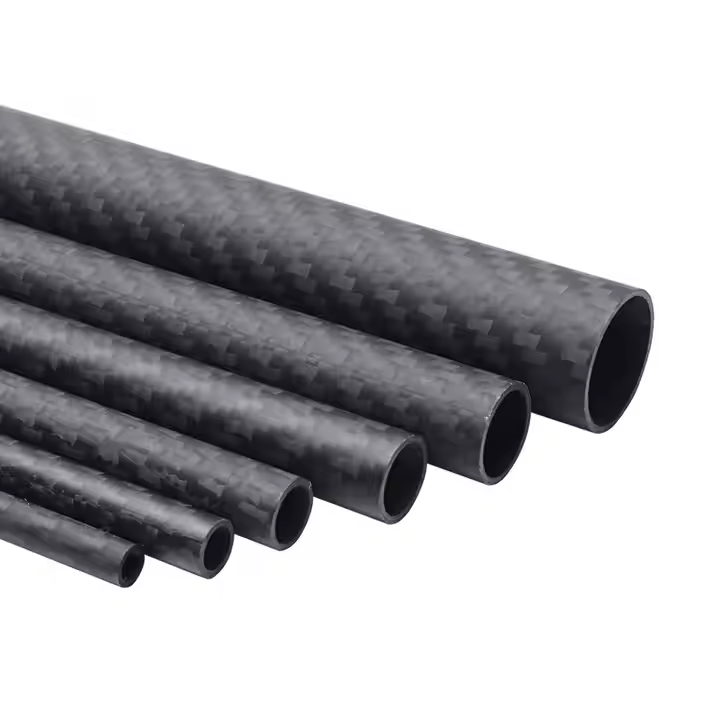
For custom solutions, consider products like the Customized Round CFRP Carbon Fiber Tube, which offers versatility in design and application.
Quality Control and Certifications
Ensuring product quality involves rigorous testing and adherence to international standards such as ASTM D3039 for tensile properties. It is advisable to request Certificates of Analysis (COA) and inspect supplier certifications to verify compliance with relevant standards.
Impact Materials, as a certified supplier, guarantees adherence to these standards, providing peace of mind and assurance of product quality.
More Carbon Fiber For Automotive Solutions
Discover additional carbon fiber for automotive options to meet your specific project requirements.
Ready to Source Quality Composite Materials?
Impact Materials serves 120+ countries with 400+ product specifications. Get your custom quote in 24 hours.
Frequently Asked Questions
What certifications should I look for in carbon fiber suppliers?
Suppliers should have ISO 9001 certification, ensuring quality management systems are in place. Additionally, compliance with ASTM standards, such as ASTM D3039 for tensile strength, is crucial.
What is the typical MOQ and lead time for automotive carbon fiber products?
Minimum order quantities (MOQ) can vary, but typically start at 100 units for standard products. Lead times may range from 4 to 8 weeks depending on the complexity and customization requirements. Contact Impact Materials for specific inquiries.
Can carbon fiber components be customized for specific automotive applications?
Yes, carbon fiber components can be customized to meet unique design and performance specifications. This includes cut-to-size options and varying finishes, such as matte or glossy. Reach out to our team at Impact Materials for tailored solutions.
How is quality control managed in carbon fiber manufacturing?
Quality control involves rigorous testing, including tensile and fatigue testing according to ASTM standards. Suppliers should provide COA and maintain transparency in their quality assurance processes. For reliable products, contact Impact Materials.
What are the shipping and logistics considerations for ordering carbon fiber materials?
Shipping considerations include ensuring appropriate packaging to prevent damage and selecting reliable freight services for international deliveries. Impact Materials offers comprehensive logistics support to ensure timely and safe delivery.
How does carbon fiber performance compare to traditional materials like steel?
Carbon fiber offers superior strength-to-weight ratios compared to steel, enabling significant weight reduction without sacrificing performance. This enhances fuel efficiency and vehicle dynamics. For detailed comparisons, visit our website or contact us directly.
Work With a Trusted Carbon Fiber For Automotive Supplier
Hangzhou Impact New Materials Co., Ltd. (Impact Materials) has delivered carbon fiber for automotive solutions to clients in 120+ countries for over 20 years. Our 3,200+ successful projects and 400+ product specifications mean we have exactly what your project needs.