


Complete Guide to Carbon Fiber Honeycomb Panels: Types, Applications & Sourcing
In today’s rapidly advancing engineering landscape, the demand for materials that provide both strength and lightweight properties is ever-increasing. According to recent industry reports, the use of carbon fiber honeycomb panels has surged by 15% annually in aerospace and automotive applications. This article delves into everything you need to know about carbon fiber honeycomb panels, including their technical specifications, diverse applications, and sourcing tips. As a composite materials supplier serving over 120 countries, Impact Materials offers unparalleled expertise and a wide range of solutions to meet your specific needs.
Key Takeaways
- Carbon fiber honeycomb panels offer tensile strengths of up to 800 MPa, outperforming traditional materials.
- Lightweight structure reduces transportation and installation costs by up to 30%.
- Ideal for aerospace and automotive sectors due to high strength and low weight.
- Ensure suppliers offer ISO 9001 certification and ASTM D3039 compliance for quality assurance.
Understanding Carbon Fiber Honeycomb Panels
Technical Specifications
Carbon fiber honeycomb panels are renowned for their excellent strength-to-weight ratios. Typically, these panels have tensile strengths ranging between 500 to 800 MPa, with a weight reduction of up to 70% compared to traditional materials like steel or aluminum. The panels are often crafted from a sandwich structure, consisting of two thin, strong carbon fiber skins bonded to a lightweight honeycomb core, commonly made of aramid paper or aluminum.
Manufacturing Standards
According to ASTM D3039, which measures tensile properties of polymer matrix composite materials, carbon fiber honeycomb panels exhibit superior mechanical performance. ISO 14125 further ensures the panels’ quality by testing their flexural strength. At Impact Materials, we ensure that all products meet these rigorous standards, providing dependable quality control and performance.
Industry Applications
Carbon fiber honeycomb panels are extensively used in aerospace for fuselage and wing skins due to their high strength and lightweight properties. In the automotive industry, they are preferred for body panels and structural reinforcements. The construction sector also utilizes these panels for FRP reinforcement, offering both durability and design flexibility.
Advantages of Using Carbon Fiber Honeycomb Panels
Lightweight and Strong
The primary advantage of carbon fiber honeycomb panels is their high strength-to-weight ratio. These panels offer significant weight savings, contributing to reduced fuel consumption in aerospace and automotive applications. The lightweight nature also simplifies handling and installation, lowering labor costs by up to 30%.
Durability and Thermal Stability
Carbon fiber honeycomb panels exhibit excellent resistance to fatigue and temperature extremes, ranging from -40°C to 120°C. This makes them ideal for demanding environments and applications where thermal stability is crucial. The panels’ durability extends their lifecycle, making them a cost-effective choice for long-term projects.
Design Flexibility
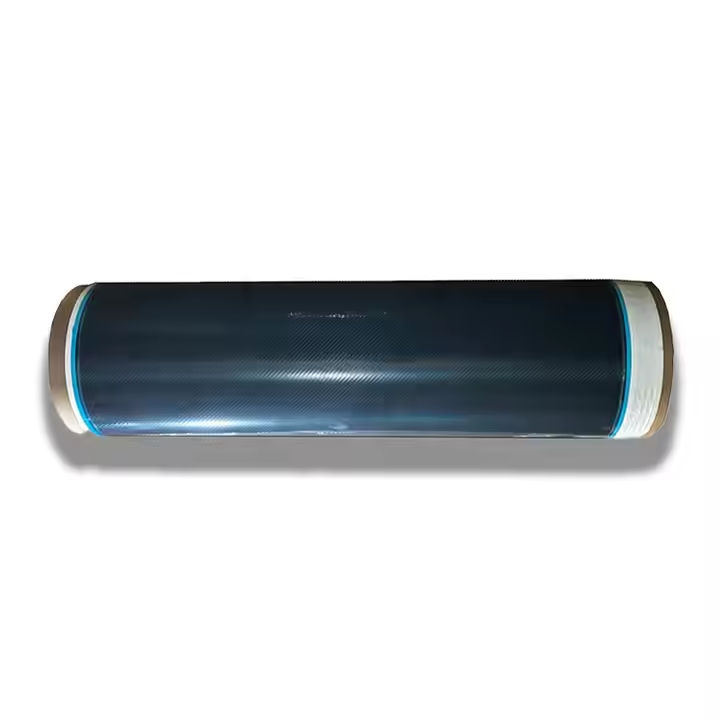
These panels can be customized to meet specific project requirements, including varying thicknesses and core materials. For example, Impact Materials offers a 3K Twill Carbon Fiber Fabric Epoxy Resin Prepreg Without Air Hole that can be tailored to specific design needs, from automotive to marine applications.
Featured Carbon Fiber Honeycomb Panel Products
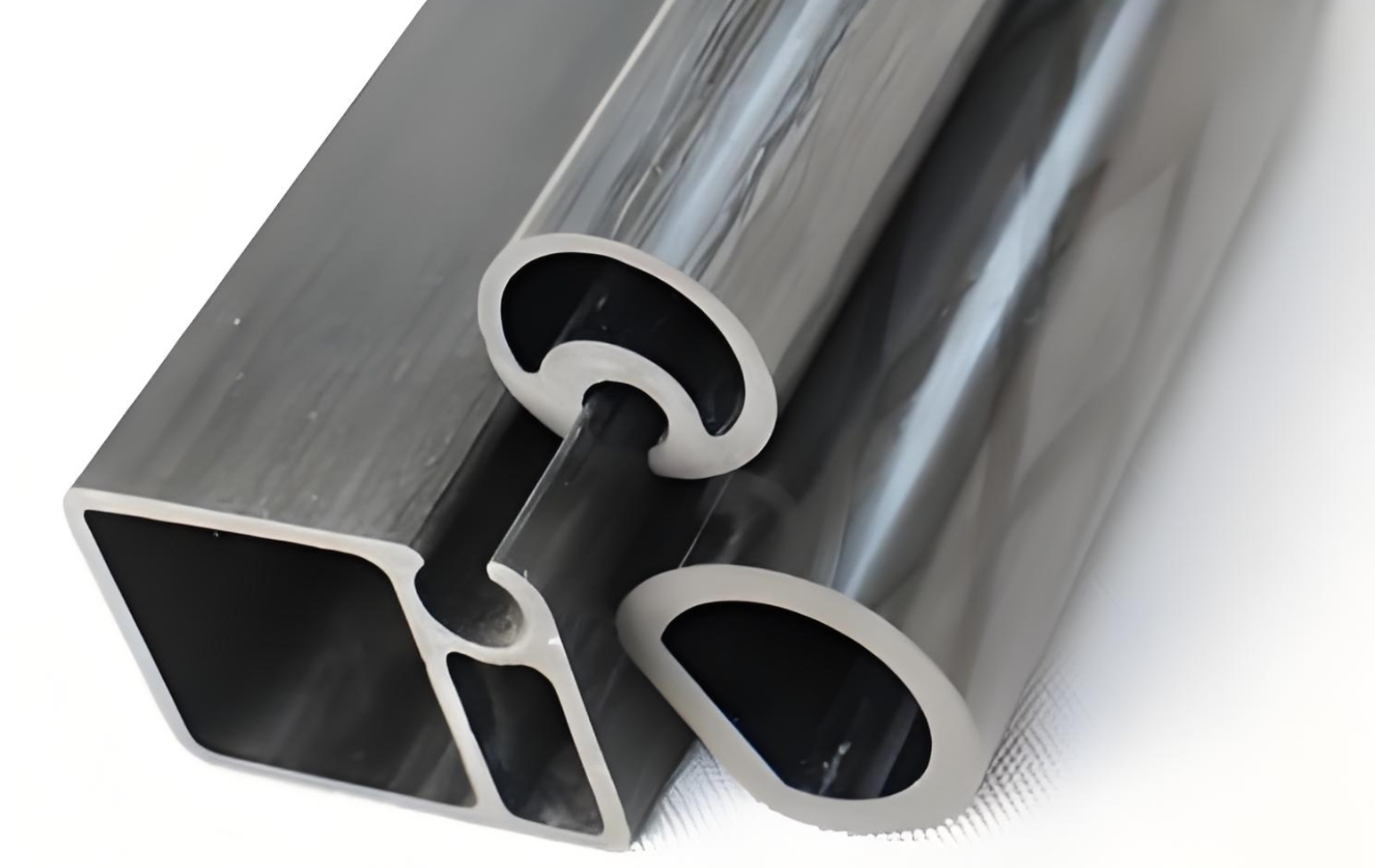
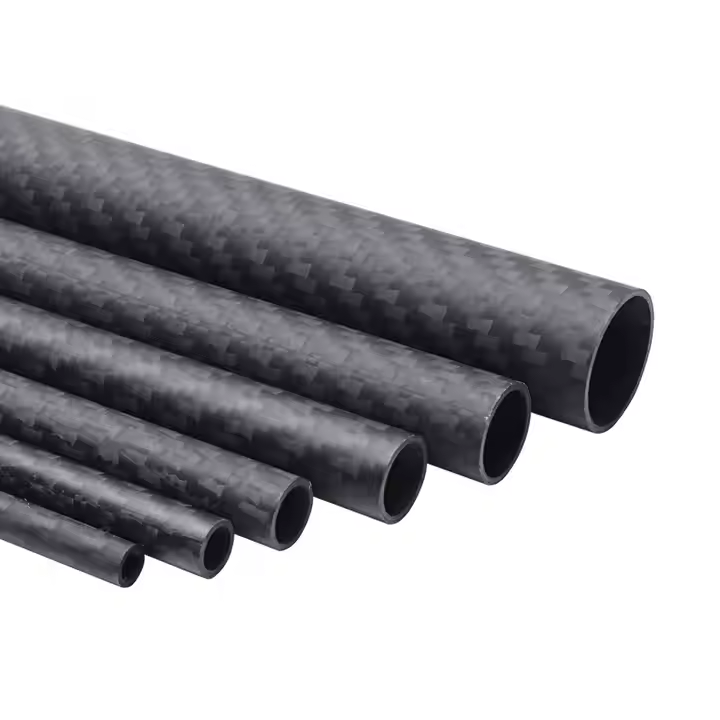
Explore our top-rated carbon fiber honeycomb panel products from Impact Materials, trusted by manufacturers in 120+ countries.
Sourcing and Procurement Insights
Supplier Selection Criteria
When sourcing carbon fiber honeycomb panels, it is critical to select suppliers with proven quality and reliability. Look for suppliers with ISO 9001 certification and compliance with ASTM D3039. At Impact Materials, we bring 20 years of industry expertise to every project, ensuring top-tier product quality.
Customization and Order Quantities
Customization options should align with project specifications, such as panel dimensions and core materials. Typical order quantities vary, but Impact Materials can accommodate both small and large-scale orders, providing one-stop solutions from raw materials to finished products.
Logistics and Lead Times
Efficient logistics and realistic lead times are essential for timely project completion. At Impact Materials, we understand global market demands and offer competitive lead times to meet international shipping requirements, serving over 120 countries worldwide.
| Material | Tensile Strength (MPa) | Weight (g/m²) |
|---|---|---|
| Aluminum Honeycomb Core | 500-600 | 80-100 |
| Aramid Honeycomb Core | 600-700 | 70-90 |
| Carbon Fiber Skin | 700-800 | 150-200 |
| Customized CFRP Tube | 700-800 | 180-220 |
Need a custom solution? Our technical experts are ready to help.
More Carbon Fiber Honeycomb Panel Solutions
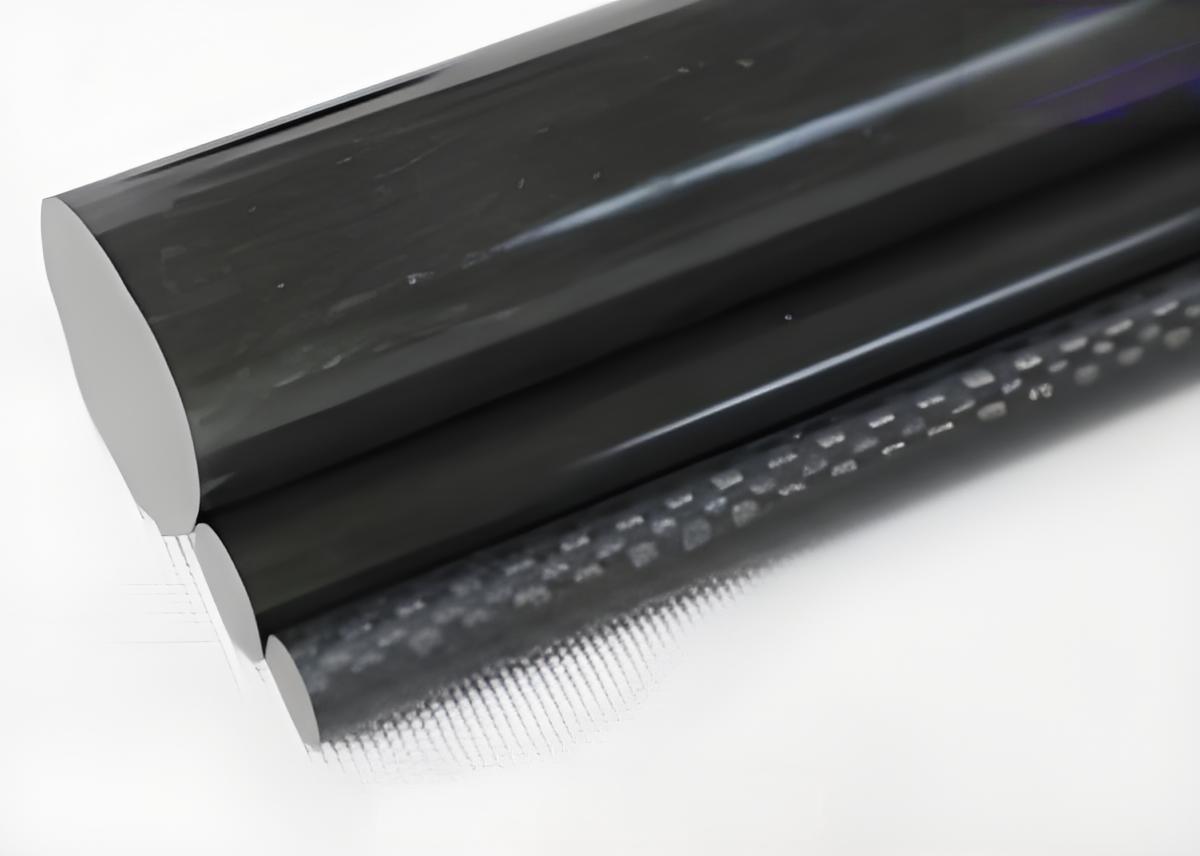
Discover additional carbon fiber honeycomb panel options to meet your specific project requirements.
Ready to Source Quality Composite Materials?
Impact Materials serves 120+ countries with 400+ product specifications. Get your custom quote in 24 hours.
Frequently Asked Questions
What certifications should I look for when sourcing carbon fiber honeycomb panels?
Ensure the supplier provides ISO 9001 certification and compliance with ASTM D3039. These certifications verify the quality and performance standards of the panels, ensuring reliability in demanding applications.
What is the typical minimum order quantity (MOQ) and lead time for these panels?
MOQs can vary depending on the supplier and customization requirements. Generally, expect MOQs of 50 to 100 panels. Lead times typically range from 4 to 8 weeks, depending on the complexity of the order. Contact us at Impact Materials for specific lead time estimates.
Can I customize the thickness and core material of the panels?
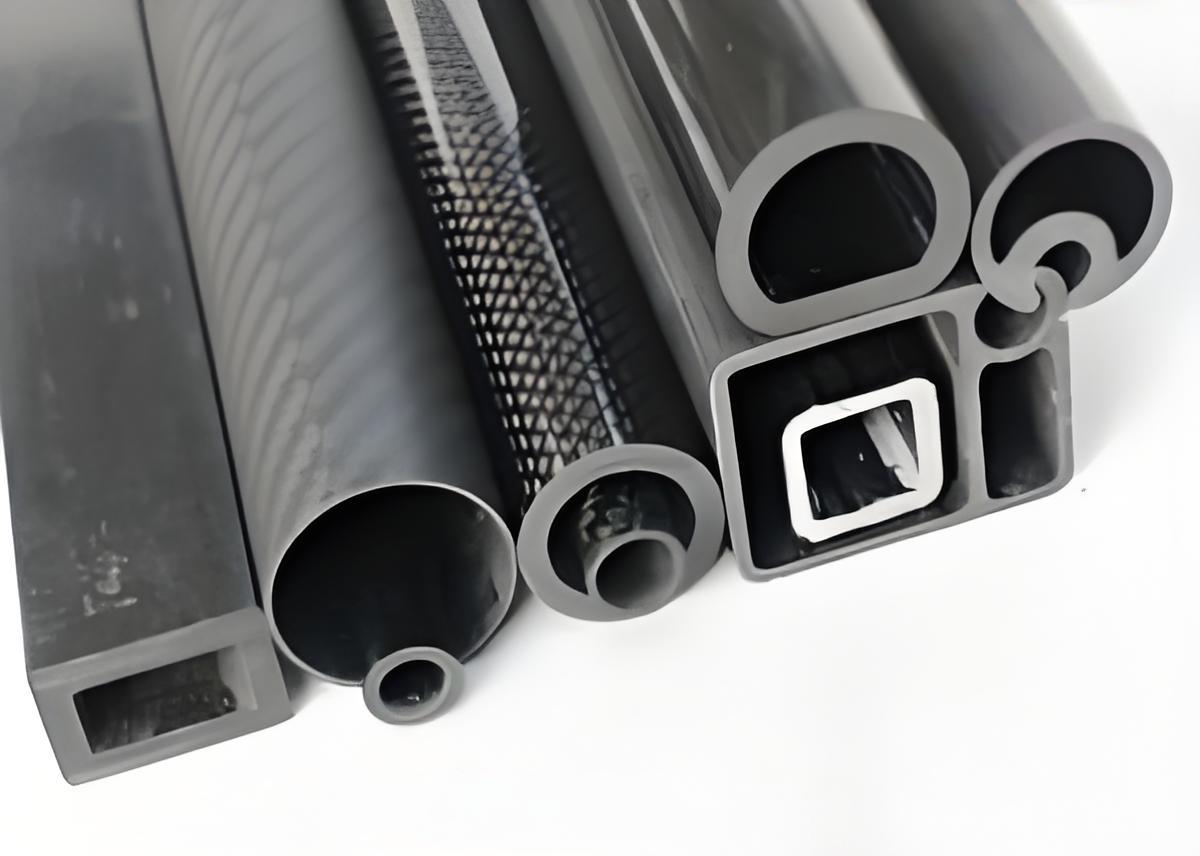
Yes, customization is available for thickness, core material, and surface finish. For instance, special section pultrusion carbon fiber tubes can be tailored to meet unique project specifications.
How is quality control managed for carbon fiber honeycomb panels?
Quality control involves rigorous testing to ASTM and ISO standards. Request a Certificate of Analysis (COA) from your supplier to verify that the panels meet the required specifications.
What are the shipping and logistics considerations for international buyers?
Shipping logistics should include considerations for packaging to prevent damage during transit. At Impact Materials, we offer robust packaging solutions to ensure safe delivery to over 120 countries. Contact us at Impact Materials for logistics support.
What technical performance criteria are critical for my application?
Key performance criteria include tensile strength, weight, and thermal stability. Ensure that the panels meet the specific requirements of your application, such as temperature range and environmental conditions.
Work With a Trusted Carbon Fiber Honeycomb Panel Supplier
Hangzhou Impact New Materials Co., Ltd. (Impact Materials) has delivered carbon fiber honeycomb panel solutions to clients in 120+ countries for over 20 years. Our 3,200+ successful projects and 400+ product specifications mean we have exactly what your project needs.