


Carbon Fiber vs Kevlar Material Comparison: A Complete Guide
In the realm of composite materials, the decision between carbon fiber and Kevlar is pivotal for engineers and procurement managers. According to the latest industry data, carbon fiber’s market is expected to reach USD 10.66 billion by 2025, highlighting its growing significance. In this comprehensive guide, we explore the strengths and limitations of these two materials, their industrial applications, and procurement insights. As a composite materials supplier with 20 years of manufacturing experience, Impact Materials offers unmatched expertise in helping you choose the right material for your application.
Key Takeaways
- Carbon fiber offers tensile strength up to 6,000 MPa, ideal for aerospace.
- Kevlar provides superior impact resistance, perfect for protective gear.
- Hybrid fabrics combine carbon’s strength with Kevlar’s flexibility.
- Source from suppliers with ISO 9001 certification to ensure quality.
Understanding Material Properties
Carbon Fiber: Strength and Performance
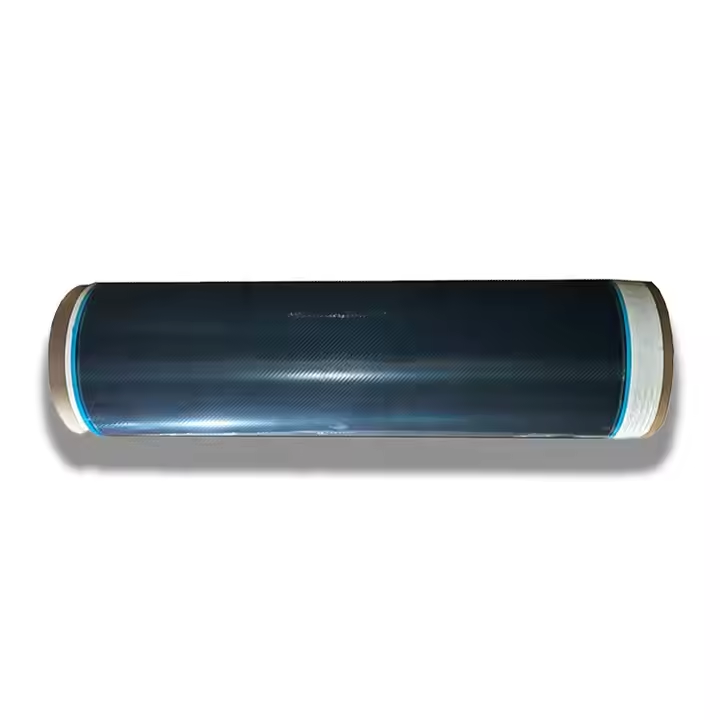
Carbon fiber is renowned for its high tensile strength, which can reach up to 6,000 MPa, making it a preferred choice in aerospace and automotive industries. Its low weight, approximately 1.6 g/cm³, contributes to its high strength-to-weight ratio, critical for applications like 3K Twill Carbon Fiber Fabric Epoxy Resin Prepreg. In our experience working with aerospace clients, carbon fiber is often used for fuselage and wing skins due to its rigidity and lightweight nature.
Kevlar: Impact Resistance and Flexibility
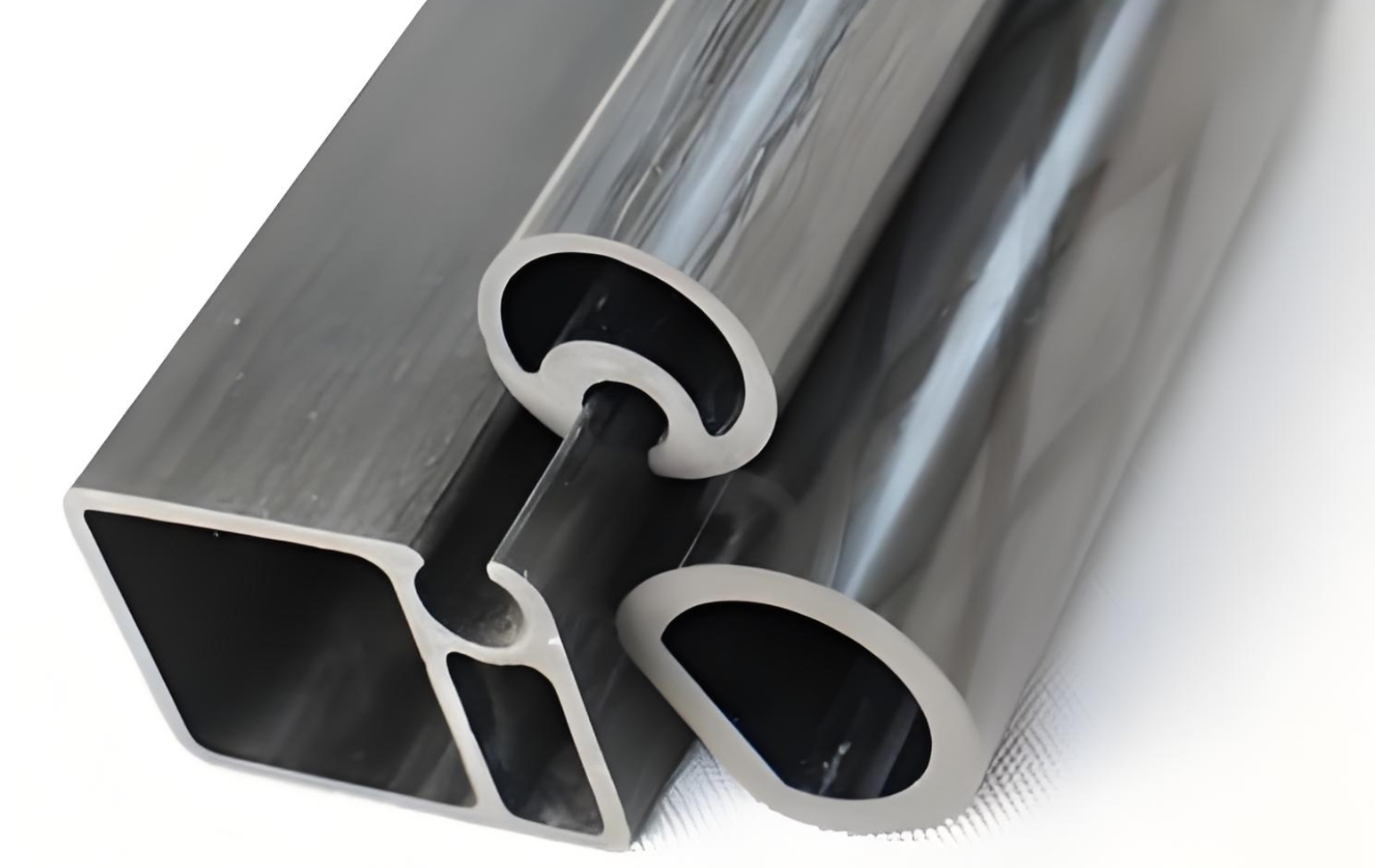
Kevlar, an aramid fiber, offers superior impact resistance and is commonly used in ballistic and protective gear. With a tensile strength around 3,620 MPa and excellent elongation properties, Kevlar materials are used where flexibility without compromising strength is needed. Industry data from composite materials research indicates Kevlar’s elongation at break is about 4.4%, which provides the necessary flexibility in applications like Special Section Pultruded Carbon Fiber Rod.
Hybrid Fabrics: Combining Strengths
Carbon Kevlar hybrid fabrics merge the strengths of both materials, providing a balance of carbon fiber’s rigidity and Kevlar’s flexibility. These composites are particularly useful in automotive panels and sports equipment. When selecting a carbon kevlar composite, consider the specific application requirements, such as expected load and environmental conditions.
Applications in Key Industries
Aerospace Applications
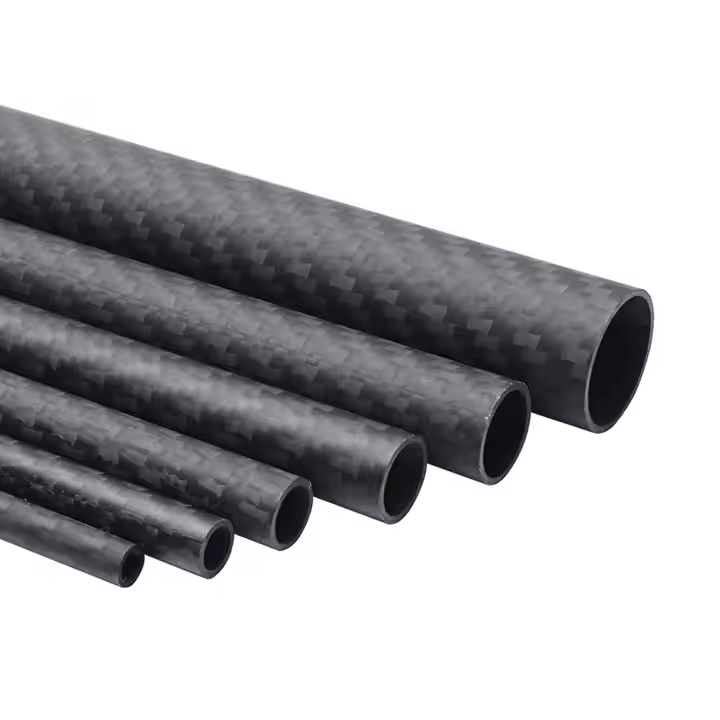
In aerospace, carbon fiber is extensively used for structural components due to its high stiffness and lightweight properties. For instance, the Customized Round CFRP Carbon Fiber Tube is ideal for constructing lightweight yet strong aerospace structures.
Automotive Industry
The automotive industry benefits from both carbon fiber and Kevlar. Carbon fiber’s high strength-to-weight ratio improves fuel efficiency and performance, while Kevlar’s impact resistance is ideal for safety components. Automotive engineers frequently utilize carbon kevlar composite materials to achieve a balance between performance and safety.
Protective Gear and Ballistics
Kevlar is the material of choice for protective gear due to its high impact resistance. According to ASTM D3039 testing, Kevlar maintains its integrity under high-stress conditions, making it suitable for bulletproof vests and helmets. For applications requiring both protection and mobility, aramid fiber composites offer an optimal solution.
Featured Carbon Fiber Vs Kevlar Material Comparison Products
Explore our top-rated carbon fiber vs kevlar material comparison products from Impact Materials, trusted by manufacturers in 120+ countries.
Technical Comparisons and Specifications
Material Property Comparison
| Property | Carbon Fiber | Kevlar |
|---|---|---|
| Tensile Strength (MPa) | 3,500 – 6,000 | 2,620 – 3,620 |
| Density (g/cm³) | 1.6 | 1.44 |
| Elongation at Break (%) | 1.5 – 2.0 | 4.4 |
| Temperature Resistance (°C) | Up to 200 | Up to 160 |
Standards and Certifications
When sourcing materials, ensure compliance with international standards like ISO 14125 for flexural properties and ASTM D3039 for tensile properties. These standards verify material performance under specified conditions. Impact Materials, based in Hangzhou, China, maintains ISO 9001 certification, ensuring our products meet rigorous quality standards.
3K vs 12K Carbon Fiber
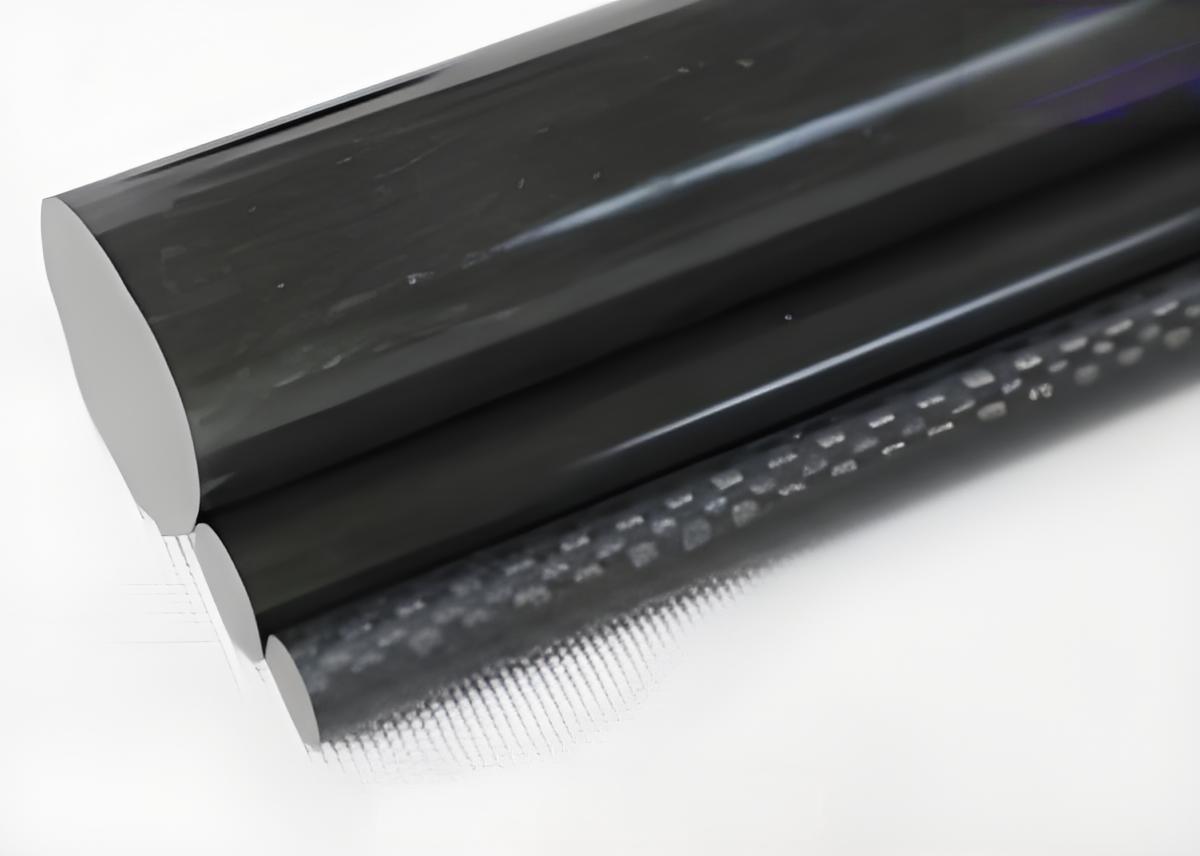
The difference between 3K and 12K carbon fiber lies in the number of filaments in the tow. 3K carbon fiber is more pliable and suited for intricate shapes, while 12K offers more strength and is often used in larger structures. For instance, the Round Rod Carbon Composite Material is available in multiple filament counts to suit varying application needs.
Need a custom solution? Our technical experts are ready to help.
Procurement and Sourcing Insights
Supplier Selection Criteria
When selecting a supplier, consider factors such as quality certifications, production capabilities, and global distribution networks. Red flags include lack of transparency in sourcing and non-compliance with international standards. At Impact Materials, we provide a one-stop solution for all composite needs, ensuring reliability and quality across our product lines.
Customization and Lead Times
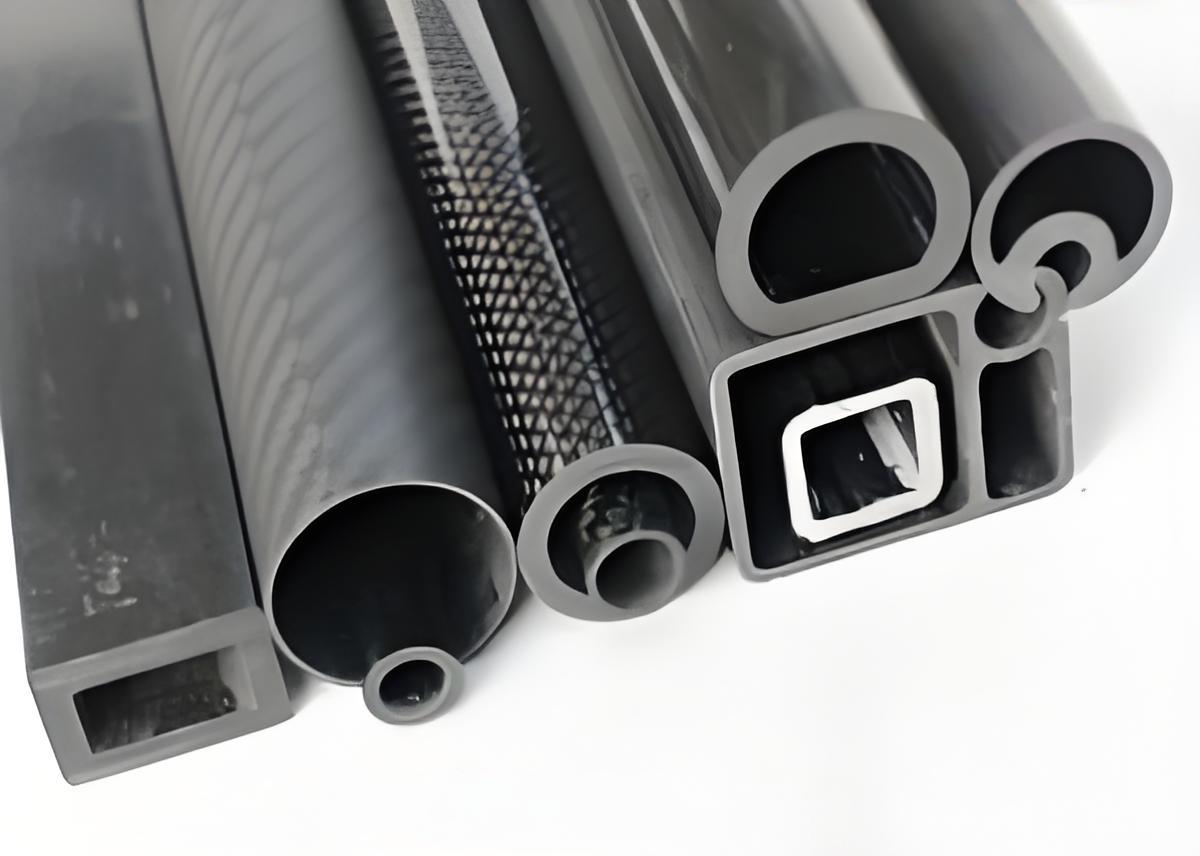
Customization options are crucial for meeting specific project requirements. Typical lead times for customized products range from 4 to 8 weeks, depending on complexity. Our Various Shape Carbon Composite Material offerings allow for tailored solutions to meet unique application demands.
Quality Verification
Request a Certificate of Analysis (COA) to verify material properties and compliance with specifications. Quality control processes should include rigorous testing and inspection at various production stages. Impact Materials ensures thorough quality checks and provides documentation to support material integrity.
More Carbon Fiber Vs Kevlar Material Comparison Solutions
Discover additional carbon fiber vs kevlar material comparison options to meet your specific project requirements.
Ready to Source Quality Composite Materials?
Impact Materials serves 120+ countries with 400+ product specifications. Get your custom quote in 24 hours.
Frequently Asked Questions
What certifications should I verify for carbon fiber products?
Ensure that carbon fiber products comply with ISO 9001 and relevant material standards like ASTM D3039 for tensile properties. These certifications guarantee quality and performance. Contact our technical team at our contact page for more details.
What are the minimum order quantities and lead times?
Minimum order quantities vary depending on the product type and customization requirements, typically starting from 100 square meters. Lead times range from 2 to 8 weeks. For specific inquiries, reach out to us via WhatsApp or email.
Can carbon fiber be customized for specific applications?
Yes, carbon fiber can be tailored to meet specific application needs, including size, shape, and resin type. Impact Materials offers customization services to ensure product compatibility with your project’s specifications.
How do I ensure the quality of composite materials?
Request a Certificate of Analysis and verify compliance with international standards. Engage with suppliers who have a track record of quality assurance, like Impact Materials, which has completed 3,200+ successful projects globally.
What are the shipping and logistics considerations?
Consider the supplier’s global distribution capabilities and ensure they provide reliable shipping solutions. Impact Materials serves 120+ countries, offering efficient logistics support for timely delivery.
How does Kevlar perform in extreme environments?
Kevlar maintains stability under extreme temperatures up to 160°C and is resilient to impact, making it ideal for protective gear in harsh environments. For tailored solutions, contact our technical team at our contact page.
Work With a Trusted Carbon Fiber Vs Kevlar Material Comparison Supplier
Hangzhou Impact New Materials Co., Ltd. (Impact Materials) has delivered carbon fiber vs kevlar material comparison solutions to clients in 120+ countries for over 20 years. Our 3,200+ successful projects and 400+ product specifications mean we have exactly what your project needs.