


Hybrid Fiber Composites: Combining Carbon, Aramid and UHMWPE in a Single Laminate
Five years ago a customer asked me to help design a drone arm that was stiff, impact-resistant, and weighed almost nothing. Carbon fiber alone was too brittle. Aramid alone wasn’t stiff enough. UHMWPE alone couldn’t handle the heat. So we hybridized — carbon on the outside for stiffness, aramid in the middle for impact absorption. It worked.
Hybrid composites are exactly what they sound like: two or more fiber types combined in a single laminate. Engineers do this because no single fiber solves every problem. Carbon gives you stiffness but fails catastrophically under impact. Aramid absorbs energy but costs more per unit of stiffness. UHMWPE is the lightest option but creeps under sustained load and can’t handle heat.
I’ve designed hybrid layups for everything from ballistic helmets to boat hulls. Here’s what I’ve learned about which fibers work together and which combinations to avoid.
Why Go Hybrid in the First Place?
The short answer: one fiber’s weakness is another fiber’s strength. A hybrid laminate can achieve properties no single material can — like a part that’s both stiff (carbon) and impact-resistant (aramid).
| Goal | Best Hybrid Combination | Typical Layup | Applications |
|---|---|---|---|
| Stiffness + Impact | Carbon outer + Aramid inner | [C/A/A/C] | Automotive body panels, drone arms, protective housings |
| Lightest ballistic | UHMWPE + Aramid hybrid | [U/A/U/A] cross-ply | Body armor, vehicle spall liners, blast blankets |
| Cost reduction | Carbon + Glass or Aramid blend | [C/G/C/G] interlayer | Marine hulls, wind turbine blades, construction |
| Heat management | Aramid outer + UHMWPE core | [A/U/U/A] | Heat shields, engine bay components, exhaust shrouds |
Our Products for Hybrid Layups
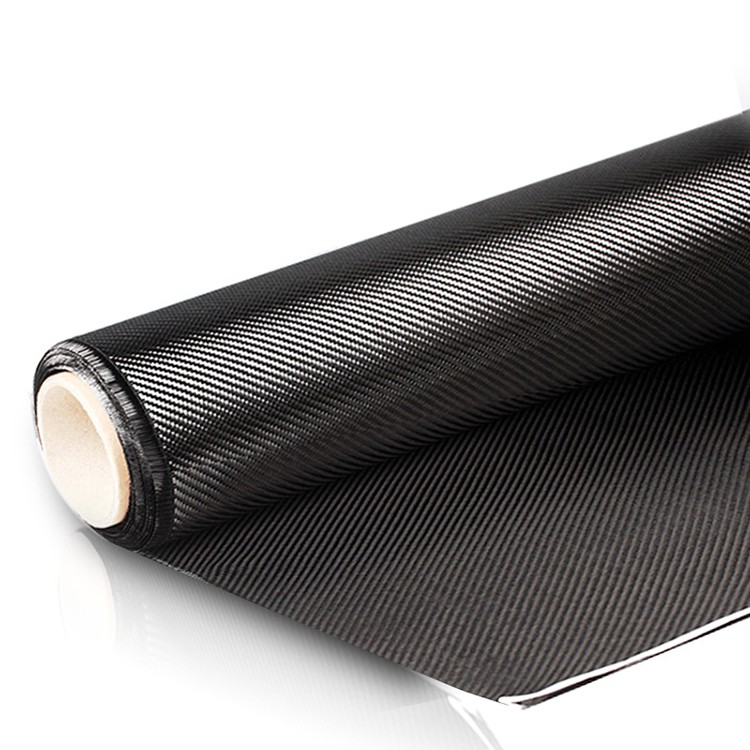 |
Carbon Fiber Fabric3K, 6K, 12K weaves. 160-600 gsm. Used as the stiff outer layer in hybrid laminates. Pairs well with aramid for impact-critical parts. |
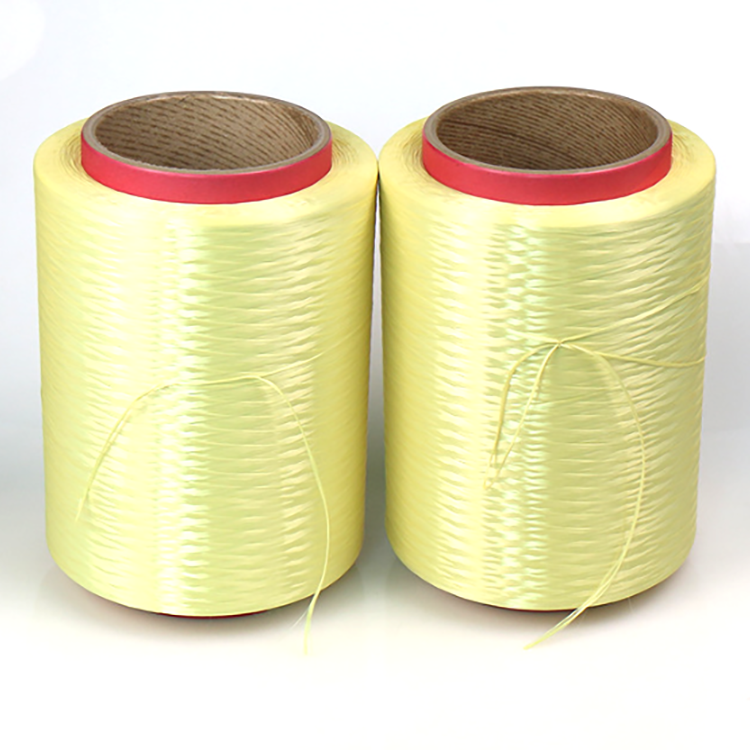 |
Aramid Yarn FiberHigh-tenacity para-aramid. Used as the impact-absorbing intermediate layer in carbon/aramid hybrid designs. |
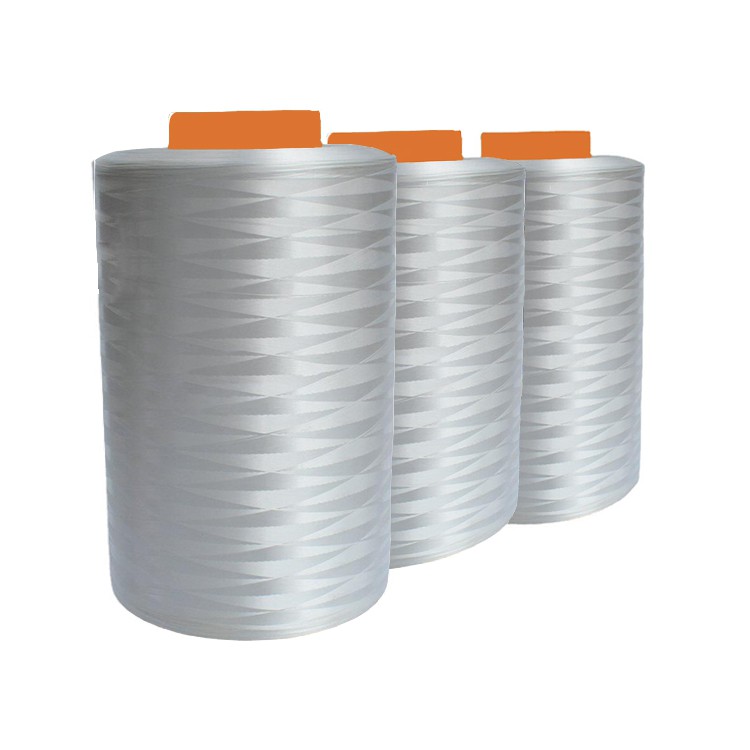 |
UHMWPE Yarn FiberLightest structural fiber. Used in hybrid ballistic armor with aramid. Density under 1.0 — floats on water. |
How to Design a Hybrid Layup
Getting a hybrid laminate right takes more than just stacking different fabrics. The interface between dissimilar fibers is where things go wrong. Here’s what I’ve found works:
Match the resin system to the weakest fiber. If you’re combining carbon (600C capable) with UHMWPE (80C limit), the cure temperature is limited by the UHMWPE. Use a low-temperature epoxy that cures at 80C or below. I’ve seen people try to post-cure carbon/UHMWPE hybrids at 120C and end up with a laminate where the UHMWPE layers have lost half their strength.
Put the stiffest fiber on the outside. In a bending load, the outer surface experiences the highest stress. Carbon fiber belongs on the outside of a hybrid laminate. Aramid or UHMWPE belongs in the core where they can absorb energy without carrying the primary tensile load.
Common mistake I see: Putting UHMWPE on the surface of a carbon hybrid for extra toughness. The problem is UHMWPE has poor adhesion to most epoxy resins. It delaminates from the carbon layer under load. Solution: use aramid as the intermediate layer — it bonds well to both carbon (epoxy) and itself. Or use a UHMWPE fiber with plasma surface treatment (some suppliers offer this).
Keep the thermal expansion mismatch in mind. Carbon fiber has near-zero CTE (coefficient of thermal expansion). Aramid and UHMWPE have positive CTE. When the part heats up, the dissimilar layers want to move at different rates. For thin laminates this isn’t a problem. For thick structural parts (10mm+), it causes warpage. A symmetric layup [C/A/A/C] balances the forces better than [C/C/A/A].
Five Hybrid Combinations I’ve Tested
| Combination | Best Use | Works? | Notes |
|---|---|---|---|
| Carbon + Aramid | Structural + impact | Yes — my most recommended | Good epoxy bond, balanced properties |
| Aramid + UHMWPE | Ballistic armor | Yes — industry standard | NIJ Level IIIA, 25-30% lighter than all-aramid |
| Carbon + UHMWPE | Ultralight structures | Complicated | Poor interlayer bond without surface treatment |
| Carbon + Aramid + UHMWPE | Multipurpose | Yes — with careful design | Stack order: C/A/U. Costly but versatile |
| Aramid + Fiberglass | Cost-sensitive ballistic | Yes — budget option | Heavier than UHMWPE, cheaper per sqm |
Industry Applications for Hybrids
Aerospace. Carbon/aramid hybrids are already flying on commercial aircraft — leading edges, fairings, and interior panels where impact from ground equipment is a real risk. The carbon provides stiffness for the aerodynamic shape, the aramid stops a baggage cart from punching through.
Automotive. Carbon/aramid is showing up in production EV battery enclosures (carbon outside for stiffness, aramid inside for puncture resistance). Some hypercar body panels use carbon/UHMWPE where weight is the absolute priority and the panel won’t see high heat.
Defense. Aramid/UHMWPE is the standard for modern body armor. The ratio depends on the threat level — more UHMWPE for lightweight IIIA, more aramid for higher temperature tolerance in vehicle armor.
Marine. Carbon/aramid is used in high-performance racing sailboat hulls. Carbon provides the stiffness to resist rigging loads, aramid provides the impact resistance for debris strikes. UHMWPE is rarely used in marine composites (it doesn’t bond well in wet layup) but dominates in ropes and rigging.
Frequently Asked Questions
Can you mix carbon and UHMWPE in the same layup?
Yes, but it’s tricky. The two fibers bond poorly to each other with standard epoxy. Use an aramid interlayer as a bonding bridge [C/A/U], or use UHMWPE with plasma surface treatment. Without surface treatment, the UHMWPE layers may delaminate under load.
What’s the best resin for hybrid composites?
Low-temperature epoxy (cure at 80C or below). This keeps UHMWPE safe while being compatible with carbon and aramid. Polyester and vinyl ester don’t bond well to aramid. For high-temp hybrids (carbon/aramid only, no UHMWPE), use a standard 120C cure epoxy.
Does hybridization reduce the cost?
It can, but not always. Replacing expensive carbon layers with aramid in non-critical areas saves cost. Replacing aramid with UHMWPE in ballistic armor saves weight but may increase material cost. The total system cost can go down if you use fewer layers to achieve the required performance. Run the numbers before assuming.
What’s the strongest hybrid combination?
“Strongest” depends on what you mean. For tensile strength: carbon/aramid with carbon on the outside. For impact resistance: aramid/UHMWPE. For all-around performance: carbon + aramid is the most practical and predictable combination I’ve worked with.
Need Help Designing a Hybrid Laminate?
We supply carbon fiber, aramid, and UHMWPE in fabric, yarn, and tape form. Tell us your requirements — we’ll help you select the right materials for your hybrid design.
Technical datasheets and sample quantities available for qualified buyers.