


-
Table of Contents
“Mastering Fiberglass: Avoid Common Pitfalls for a Flawless Finish!”
Introduction
When working with fiberglass, several common mistakes can lead to subpar results, safety hazards, and wasted materials. Understanding these pitfalls is essential for both novice and experienced users. Common errors include inadequate surface preparation, improper mixing of resin and hardener, neglecting safety precautions, and failing to account for curing times. Additionally, overlooking the importance of ventilation and not using the right tools can compromise the integrity of the project. By recognizing and addressing these mistakes, individuals can achieve better outcomes and enhance their overall fiberglass working experience.
Improper Surface Preparation
When working with fiberglass, one of the most critical aspects that can significantly influence the outcome of a project is surface preparation. Improper surface preparation is a common mistake that can lead to a myriad of issues, ultimately compromising the integrity and appearance of the finished product. To understand the importance of this step, it is essential to recognize that fiberglass relies on a strong bond between the resin and the surface it adheres to. Therefore, any oversight in preparing that surface can result in delamination, poor adhesion, or even structural failure.
To begin with, one of the most frequent errors is neglecting to clean the surface thoroughly. Fiberglass surfaces can accumulate dust, grease, and other contaminants that inhibit proper adhesion. Failing to remove these substances can lead to weak spots in the bond, which may not be immediately apparent but can manifest over time as the fiberglass begins to separate from the substrate. Consequently, it is imperative to use appropriate cleaning agents and methods to ensure that the surface is free from any foreign materials before applying resin or fiberglass cloth.
In addition to cleaning, another common mistake is overlooking the need for surface roughening. Smooth surfaces, while aesthetically pleasing, do not provide the necessary texture for optimal adhesion. When fiberglass is applied to a slick surface, the resin may not penetrate adequately, resulting in a weak bond. To mitigate this issue, it is advisable to sand the surface lightly, creating a profile that allows the resin to grip effectively. This step not only enhances adhesion but also contributes to a more uniform application of the fiberglass material.
Moreover, it is essential to consider the compatibility of the materials being used. Different types of resins and fiberglass cloths may have specific requirements regarding surface preparation. For instance, some resins may require a specific type of primer or surface treatment to ensure proper bonding. Failing to adhere to these specifications can lead to unexpected results, such as bubbling or peeling of the fiberglass. Therefore, it is crucial to consult the manufacturer’s guidelines and recommendations to ensure that the surface preparation aligns with the materials being utilized.
Furthermore, environmental factors can also play a significant role in surface preparation. Humidity and temperature can affect the curing process of the resin, and if the surface is not prepared under optimal conditions, it may lead to complications. For example, applying fiberglass in high humidity can result in moisture being trapped beneath the surface, leading to mold growth or degradation of the bond over time. Therefore, it is advisable to monitor environmental conditions and choose an appropriate time for surface preparation and application.
In conclusion, improper surface preparation is a common pitfall when working with fiberglass that can have far-reaching consequences. By ensuring that surfaces are thoroughly cleaned, adequately roughened, and compatible with the chosen materials, one can significantly enhance the likelihood of a successful project. Additionally, being mindful of environmental conditions further contributes to achieving a durable and aesthetically pleasing result. Ultimately, taking the time to prepare surfaces correctly not only saves time and resources but also ensures the longevity and performance of fiberglass applications.
Inadequate Safety Precautions
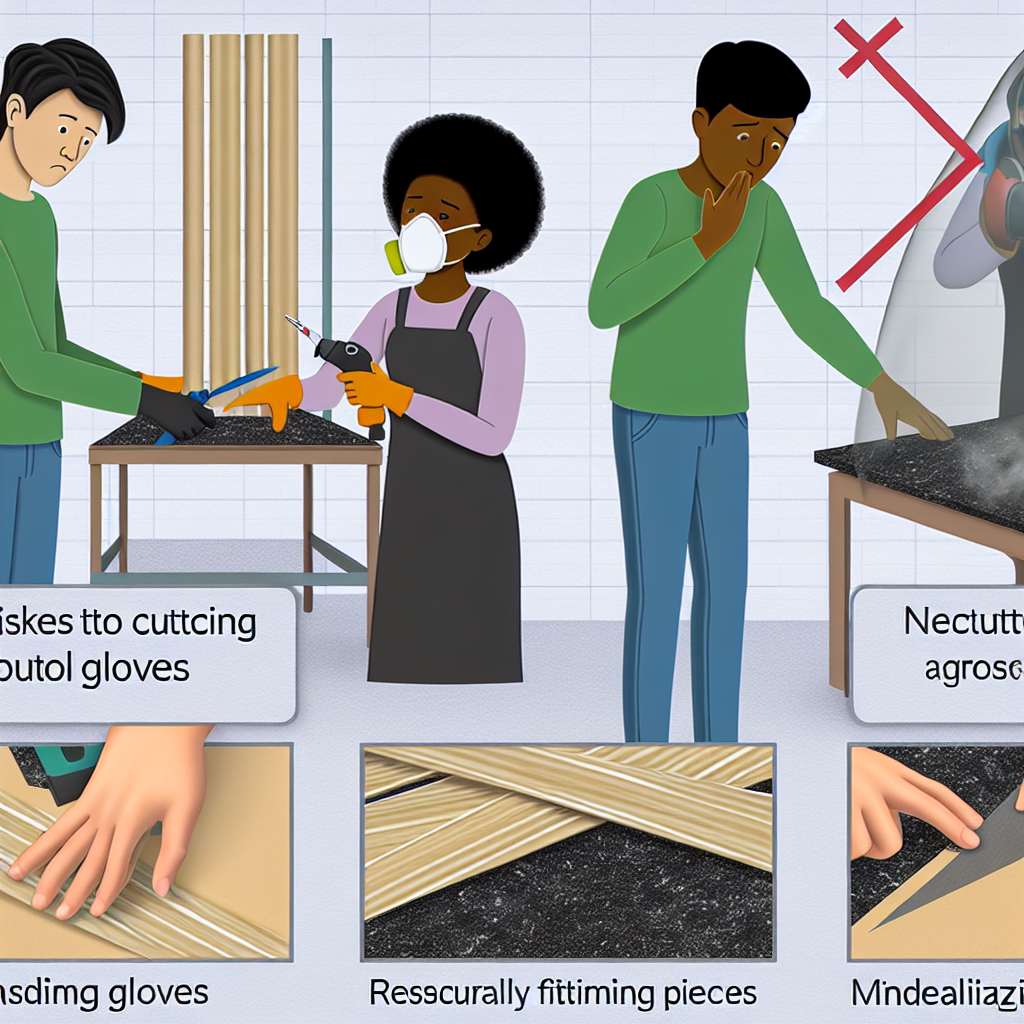
When working with fiberglass, one of the most critical aspects to consider is safety. Inadequate safety precautions can lead to serious health risks and injuries, making it essential for anyone involved in fiberglass projects to understand the potential hazards and implement appropriate measures. Fiberglass is composed of fine glass fibers, which can become airborne during cutting, sanding, or grinding processes. Inhalation of these fibers can lead to respiratory issues, skin irritation, and other health complications. Therefore, it is imperative to wear proper personal protective equipment (PPE) such as respirators, gloves, and protective eyewear to minimize exposure.
Moreover, many individuals underestimate the importance of working in a well-ventilated area. Poor ventilation can exacerbate the risks associated with fiberglass, as it allows harmful dust and fumes to accumulate in the workspace. To mitigate this risk, it is advisable to work outdoors or in a space equipped with adequate exhaust systems. Additionally, using a dust collection system can significantly reduce airborne particles, further enhancing safety during fiberglass manipulation.
Another common mistake is neglecting to read and understand the safety data sheets (SDS) associated with the materials being used. These documents provide crucial information regarding the hazards, handling, and emergency measures related to fiberglass products. By familiarizing oneself with the SDS, workers can better prepare for potential risks and respond appropriately in case of an accident. Ignoring this vital resource can lead to unpreparedness in the event of exposure or injury, which can have dire consequences.
Furthermore, many individuals fail to recognize the importance of proper storage and disposal of fiberglass materials. Fiberglass waste can pose environmental hazards if not disposed of correctly. It is essential to follow local regulations regarding the disposal of fiberglass products and to store materials in a manner that prevents contamination and accidental exposure. This includes keeping fiberglass away from moisture and ensuring that it is stored in a secure location to prevent accidental breakage or spillage.
In addition to these considerations, it is crucial to be aware of the potential for chemical exposure when working with fiberglass resins and hardeners. Many of these substances contain volatile organic compounds (VOCs) that can be harmful if inhaled or absorbed through the skin. Therefore, using appropriate PPE, such as gloves and respirators, is vital when handling these materials. Moreover, ensuring that the workspace is well-ventilated can help dissipate harmful fumes, reducing the risk of chemical exposure.
Lastly, it is important to recognize that safety is not just an individual responsibility but a collective one. When working in teams, it is essential to communicate safety protocols clearly and ensure that all team members are aware of the risks associated with fiberglass work. Regular safety meetings can help reinforce the importance of safety precautions and encourage a culture of safety within the workplace.
In conclusion, inadequate safety precautions when working with fiberglass can lead to significant health risks and environmental concerns. By prioritizing safety through the use of appropriate PPE, ensuring proper ventilation, understanding safety data sheets, and adhering to proper storage and disposal practices, individuals can significantly reduce the likelihood of accidents and injuries. Ultimately, fostering a culture of safety not only protects individual workers but also contributes to a safer and more efficient working environment for everyone involved.
Incorrect Resin Mixing Ratios
When working with fiberglass, one of the most critical aspects to ensure a successful project is the correct mixing of resin and hardener. Incorrect resin mixing ratios can lead to a myriad of problems, ultimately compromising the integrity and performance of the finished product. Understanding the importance of precise measurements is essential for anyone involved in fiberglass work, whether they are seasoned professionals or enthusiastic amateurs.
To begin with, it is vital to recognize that fiberglass resin typically comes with specific instructions regarding the mixing ratio of resin to hardener. These instructions are not arbitrary; they are based on extensive testing and are designed to achieve optimal curing and bonding properties. When the resin and hardener are mixed in the correct proportions, a chemical reaction occurs that results in a strong, durable material. However, if the ratio is off, even slightly, the consequences can be severe. For instance, using too much hardener can cause the resin to cure too quickly, leading to a brittle finish that is prone to cracking. Conversely, using too little hardener can result in a sticky, uncured surface that will not achieve the desired strength.
Moreover, the implications of incorrect mixing ratios extend beyond mere aesthetics. A poorly mixed resin can lead to structural weaknesses that may not be immediately apparent. For example, in applications where fiberglass is used for boat hulls or automotive parts, compromised integrity can result in catastrophic failures. This is particularly concerning in safety-critical applications, where the reliability of the material is paramount. Therefore, it is essential to adhere strictly to the manufacturer’s guidelines to avoid such risks.
In addition to the potential for structural failure, incorrect mixing ratios can also affect the curing time of the resin. Each resin formulation has a specific pot life, which is the time frame in which the mixed resin remains workable. If the resin cures too quickly due to an excess of hardener, it may not be possible to apply it effectively, leading to wasted materials and time. On the other hand, if the mixture is under-cured, it may take an excessively long time to set, delaying the entire project and potentially leading to further complications.
Furthermore, it is important to consider environmental factors that can influence the mixing process. Temperature and humidity can significantly affect the curing of resin, and these conditions should be taken into account when determining the appropriate mixing ratios. For instance, higher temperatures can accelerate the curing process, while lower temperatures may slow it down. Therefore, adjusting the resin-to-hardener ratio based on environmental conditions is crucial for achieving the desired results.
In conclusion, the significance of correct resin mixing ratios in fiberglass work cannot be overstated. The potential for structural failure, aesthetic issues, and project delays underscores the necessity of following manufacturer guidelines meticulously. By ensuring accurate measurements and being mindful of environmental factors, individuals can enhance the quality and durability of their fiberglass projects. Ultimately, taking the time to understand and implement proper mixing techniques will lead to more successful outcomes and a greater appreciation for the versatility and strength of fiberglass as a material.
Q&A
1. **Question:** What is a common mistake when mixing fiberglass resin?
**Answer:** A common mistake is not accurately measuring the resin and hardener, leading to improper curing and weak bonds.
2. **Question:** What is a frequent error in applying fiberglass cloth?
**Answer:** A frequent error is not ensuring the cloth is fully saturated with resin, which can result in air pockets and weak spots.
3. **Question:** What mistake do people often make regarding safety precautions?
**Answer:** Many neglect to wear proper personal protective equipment (PPE), such as gloves and masks, exposing themselves to harmful fumes and skin irritation.