


-
Table of Contents
“Elevate Performance: Composite Materials Redefining the Future of Drones.”
Introduction
Composite materials have become increasingly vital in the drone industry due to their unique properties, which include high strength-to-weight ratios, corrosion resistance, and design flexibility. These materials, often composed of a matrix (such as polymer, metal, or ceramic) reinforced with fibers (like carbon or glass), enable manufacturers to create lightweight yet durable structures that enhance the performance and efficiency of drones. The use of composites allows for longer flight times, improved payload capacities, and greater maneuverability, making them ideal for various applications, from commercial delivery services to military operations. As the demand for advanced drone technology continues to grow, the integration of composite materials is expected to play a crucial role in driving innovation and enhancing the capabilities of unmanned aerial vehicles (UAVs).
Advantages of Composite Materials in Drone Design
The integration of composite materials in drone design has revolutionized the aerospace industry, offering a multitude of advantages that enhance performance, efficiency, and durability. One of the most significant benefits of using composite materials is their exceptional strength-to-weight ratio. Composites, which typically consist of a combination of materials such as carbon fiber or fiberglass reinforced with a polymer matrix, provide the structural integrity required for drones while minimizing weight. This reduction in weight is crucial, as it directly impacts the drone’s payload capacity, flight time, and overall energy efficiency. Consequently, manufacturers can design drones that are not only lighter but also capable of carrying heavier loads or flying longer distances.
In addition to their lightweight properties, composite materials exhibit remarkable resistance to environmental factors. Drones are often exposed to harsh conditions, including extreme temperatures, moisture, and UV radiation. Composites are inherently resistant to corrosion and degradation, which enhances the longevity of the drone and reduces maintenance costs over time. This durability is particularly advantageous for commercial applications, such as agricultural monitoring or infrastructure inspection, where drones must operate in diverse and challenging environments. By utilizing composite materials, manufacturers can ensure that their drones remain operational and reliable, even under adverse conditions.
Moreover, the design flexibility offered by composite materials is another compelling advantage in drone manufacturing. Composites can be molded into complex shapes and structures that would be difficult or impossible to achieve with traditional metals. This design versatility allows engineers to optimize aerodynamics, resulting in improved flight performance and efficiency. For instance, the ability to create streamlined shapes can reduce drag, enabling drones to achieve higher speeds and better fuel efficiency. Additionally, the customization potential of composites allows for the development of specialized drones tailored to specific applications, whether for surveillance, delivery, or search and rescue missions.
Furthermore, the use of composite materials contributes to enhanced vibration damping properties. Drones are subject to various vibrations during flight, which can affect stability and control. Composites can absorb and dissipate these vibrations more effectively than metals, leading to smoother flight operations and improved sensor performance. This characteristic is particularly beneficial for drones equipped with high-resolution cameras or other sensitive equipment, as it helps maintain image clarity and data accuracy during flight.
Another noteworthy advantage of composite materials is their potential for cost-effectiveness in the long run. While the initial investment in composite materials may be higher than traditional materials, the long-term savings associated with reduced maintenance, increased durability, and improved fuel efficiency can offset these costs. Additionally, as the technology surrounding composite manufacturing continues to advance, the production processes are becoming more efficient and cost-effective, further enhancing the economic viability of composites in drone design.
In conclusion, the advantages of composite materials in drone design are multifaceted, encompassing improved strength-to-weight ratios, environmental resistance, design flexibility, vibration damping, and long-term cost savings. As the drone industry continues to evolve, the adoption of composite materials is likely to expand, driving innovation and enhancing the capabilities of drones across various sectors. By leveraging the unique properties of composites, manufacturers can create advanced aerial vehicles that meet the growing demands of both commercial and recreational users, ultimately shaping the future of drone technology.
The Role of Composite Materials in Enhancing Drone Performance
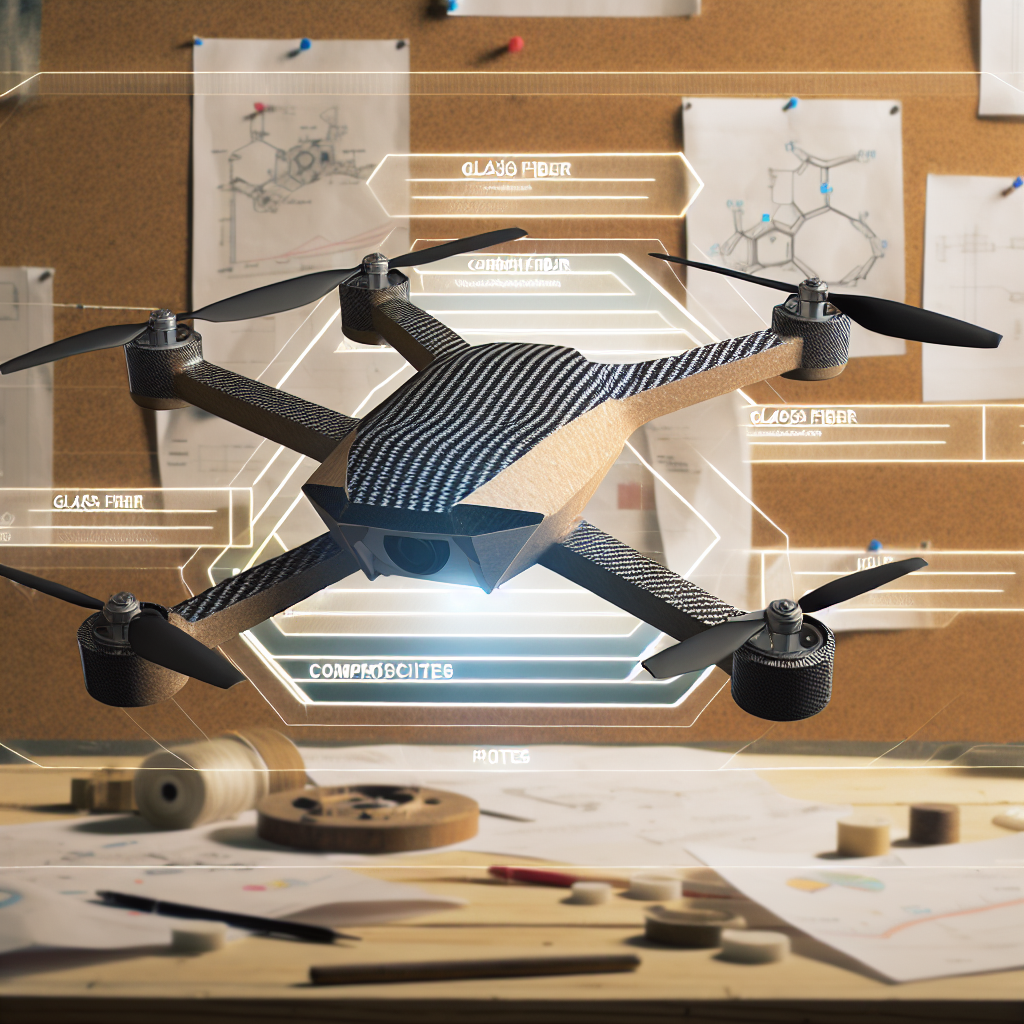
Composite materials have emerged as a pivotal element in the advancement of drone technology, significantly enhancing performance across various dimensions. As the demand for drones continues to grow in sectors such as agriculture, logistics, and surveillance, the need for lightweight yet robust materials has become increasingly critical. This is where composite materials, which typically consist of two or more constituent materials with distinct physical or chemical properties, play a transformative role. By combining the strengths of different materials, composites can offer superior performance characteristics that are essential for the evolving requirements of the drone industry.
One of the primary advantages of composite materials is their exceptional strength-to-weight ratio. Traditional materials such as metals, while strong, often add considerable weight to the drone structure, which can adversely affect flight efficiency and battery life. In contrast, composites, such as carbon fiber reinforced polymers, provide the necessary strength without the added weight. This reduction in weight not only enhances the drone’s payload capacity but also improves its overall maneuverability and flight duration. Consequently, drones can operate for longer periods and cover greater distances, making them more effective for various applications.
Moreover, the use of composite materials contributes to improved aerodynamic performance. The design flexibility offered by composites allows engineers to create streamlined shapes that reduce drag, thereby enhancing flight efficiency. This is particularly important in applications where speed and agility are paramount, such as in search and rescue missions or in the delivery of time-sensitive goods. By optimizing the aerodynamic profile of drones, manufacturers can ensure that they achieve higher speeds while consuming less energy, which is a critical factor in extending operational range.
In addition to weight and aerodynamics, composite materials also provide enhanced durability and resistance to environmental factors. Drones are often exposed to harsh conditions, including extreme temperatures, moisture, and UV radiation. Composites are inherently resistant to corrosion and degradation, which translates to a longer lifespan for the drone. This durability not only reduces maintenance costs but also increases the reliability of drones in critical operations, where failure is not an option. As a result, industries that rely on drones for surveillance or infrastructure inspection can benefit from the longevity and resilience that composite materials offer.
Furthermore, the integration of composite materials into drone design facilitates advanced manufacturing techniques, such as additive manufacturing and automated fiber placement. These innovative processes allow for the production of complex geometries that were previously unattainable with traditional materials. As a result, manufacturers can create drones that are not only lighter and stronger but also more efficient in terms of production time and cost. This shift towards advanced manufacturing is crucial in keeping pace with the rapid technological advancements in the drone industry.
In conclusion, the role of composite materials in enhancing drone performance cannot be overstated. By providing a unique combination of lightweight strength, aerodynamic efficiency, durability, and compatibility with advanced manufacturing techniques, composites are revolutionizing the capabilities of drones. As the industry continues to evolve, the ongoing research and development of new composite materials will likely lead to even greater innovations, further solidifying their importance in the future of drone technology. Ultimately, the integration of composite materials is not just a trend; it is a fundamental shift that is shaping the future of aerial robotics and their applications across various sectors.
Future Trends in Composite Material Applications for Drones
As the drone industry continues to evolve, the application of composite materials is poised to play a pivotal role in shaping its future. The increasing demand for drones across various sectors, including agriculture, logistics, and surveillance, necessitates advancements in material technology to enhance performance, reduce weight, and improve durability. Consequently, the future trends in composite material applications for drones are expected to be driven by innovations in material science, manufacturing processes, and design methodologies.
One of the most significant trends is the development of advanced composite materials that combine high strength with low weight. Traditional materials such as aluminum and steel, while robust, often add unnecessary weight to drone structures, limiting their flight time and payload capacity. In contrast, composites like carbon fiber reinforced polymers (CFRP) and glass fiber reinforced polymers (GFRP) offer superior strength-to-weight ratios. As research progresses, we can anticipate the emergence of new composite formulations that further enhance these properties, enabling drones to carry heavier payloads over longer distances while maintaining energy efficiency.
Moreover, the integration of smart materials into drone design is gaining traction. These materials can respond to environmental stimuli, such as temperature and pressure changes, allowing drones to adapt their structural properties in real-time. For instance, shape-memory alloys and piezoelectric materials can be incorporated into drone components to improve aerodynamics or enhance stability during flight. This adaptability not only optimizes performance but also extends the operational lifespan of drones, making them more reliable for critical applications.
In addition to material advancements, the manufacturing processes for composite materials are also evolving. Techniques such as additive manufacturing, or 3D printing, are becoming increasingly popular in the production of drone components. This method allows for the creation of complex geometries that were previously difficult or impossible to achieve with traditional manufacturing techniques. By utilizing 3D printing, manufacturers can reduce waste, lower production costs, and accelerate the prototyping process. As these technologies mature, we can expect a shift towards more customized drone designs that cater to specific operational needs, further enhancing the versatility of drones in various industries.
Furthermore, sustainability is becoming a crucial consideration in the development of composite materials for drones. As environmental concerns grow, the industry is exploring bio-based composites and recyclable materials that minimize ecological impact. Innovations in this area could lead to the production of drones that not only perform efficiently but also align with global sustainability goals. The adoption of such materials will likely resonate with consumers and regulatory bodies alike, fostering a more responsible approach to drone manufacturing.
As the drone market expands, regulatory frameworks are also evolving to accommodate new technologies and materials. This shift will likely encourage the adoption of advanced composites, as manufacturers seek to comply with safety and performance standards. The collaboration between material scientists, engineers, and regulatory bodies will be essential in ensuring that the integration of new materials into drone designs meets the necessary guidelines while pushing the boundaries of innovation.
In conclusion, the future of composite materials in the drone industry is bright, characterized by advancements in material properties, manufacturing techniques, and sustainability practices. As these trends continue to develop, they will not only enhance the performance and capabilities of drones but also contribute to a more sustainable and efficient industry. The ongoing research and collaboration among various stakeholders will be crucial in realizing the full potential of composite materials, ultimately transforming the landscape of drone technology for years to come.
Q&A
1. **Question:** What are the advantages of using composite materials in drone manufacturing?
**Answer:** Composite materials offer high strength-to-weight ratios, corrosion resistance, and design flexibility, which enhance the performance, durability, and efficiency of drones.
2. **Question:** How do composite materials impact the flight performance of drones?
**Answer:** The lightweight nature of composite materials reduces overall drone weight, leading to improved flight times, increased payload capacity, and enhanced maneuverability.
3. **Question:** What types of composite materials are commonly used in drones?
**Answer:** Common composite materials used in drones include carbon fiber reinforced polymers (CFRP), glass fiber reinforced polymers (GFRP), and aramid fiber composites, each providing specific benefits for structural integrity and weight reduction.