


-
Table of Contents
“Epoxy vs Polyester: Unleashing the Ultimate Resin Showdown!”
Introduction
Epoxy and polyester resins are two of the most commonly used materials in various applications, including construction, automotive, and arts and crafts. Each type of resin has its unique properties, advantages, and disadvantages, making them suitable for different purposes. Epoxy resins are known for their superior adhesion, chemical resistance, and durability, while polyester resins are often favored for their cost-effectiveness and ease of use. This comparison explores the key differences between epoxy and polyester resins, helping to determine which option is better suited for specific projects and applications.
Epoxy Resin Advantages Over Polyester
When comparing epoxy resin to polyester resin, it becomes evident that epoxy offers several distinct advantages that make it a preferred choice for various applications. One of the most significant benefits of epoxy resin is its superior adhesion properties. Epoxy adheres exceptionally well to a wide range of substrates, including wood, metal, and concrete. This strong bond not only enhances the structural integrity of the materials being joined but also ensures longevity and durability in the final product. In contrast, polyester resin, while effective in certain applications, often requires additional surface preparation to achieve a similar level of adhesion, which can complicate the manufacturing process.
Another notable advantage of epoxy resin is its resistance to environmental factors. Epoxy exhibits excellent resistance to moisture, chemicals, and UV light, making it an ideal choice for outdoor applications or environments where exposure to harsh conditions is a concern. This resilience helps prevent degradation over time, ensuring that the finished product maintains its appearance and functionality. Polyester resin, on the other hand, is more susceptible to yellowing and degradation when exposed to UV light, which can limit its effectiveness in outdoor settings.
Furthermore, epoxy resin typically cures to a harder and more rigid finish compared to polyester resin. This characteristic is particularly beneficial in applications requiring high strength and durability, such as in the construction of marine vessels, automotive components, and industrial machinery. The hardness of cured epoxy also contributes to its resistance to scratches and impacts, making it a suitable choice for surfaces that endure heavy use. In contrast, polyester resin can be more flexible, which may be advantageous in certain applications but can also lead to issues such as warping or cracking under stress.
In addition to its mechanical properties, epoxy resin is known for its low shrinkage during the curing process. This minimal shrinkage reduces the risk of warping or distortion in the final product, ensuring that dimensions remain accurate and consistent. Polyester resin, however, tends to shrink more significantly as it cures, which can lead to complications in applications where precision is critical. This aspect of epoxy resin not only enhances the quality of the finished product but also streamlines the manufacturing process by reducing the need for extensive post-curing adjustments.
Moreover, the versatility of epoxy resin cannot be overlooked. It can be formulated to achieve a wide range of properties, including varying levels of viscosity, flexibility, and thermal resistance. This adaptability allows manufacturers to tailor epoxy formulations to meet specific requirements, making it suitable for a diverse array of applications, from coatings and adhesives to composite materials. Polyester resin, while versatile in its own right, does not offer the same level of customization, which can limit its applicability in specialized projects.
Lastly, the health and safety aspects of epoxy resin are worth mentioning. Many modern epoxy formulations are designed to be low in volatile organic compounds (VOCs), making them safer for both users and the environment. In contrast, polyester resins often contain higher levels of VOCs, which can pose health risks during application and contribute to environmental pollution. As awareness of health and safety issues continues to grow, the preference for epoxy resin in various industries is likely to increase.
In conclusion, the advantages of epoxy resin over polyester resin are clear. From superior adhesion and environmental resistance to low shrinkage and versatility, epoxy stands out as a more reliable and effective choice for a wide range of applications. As industries continue to evolve and prioritize quality and safety, epoxy resin is poised to remain a leading option in the realm of materials science.
Cost Comparison: Epoxy vs Polyester Resins
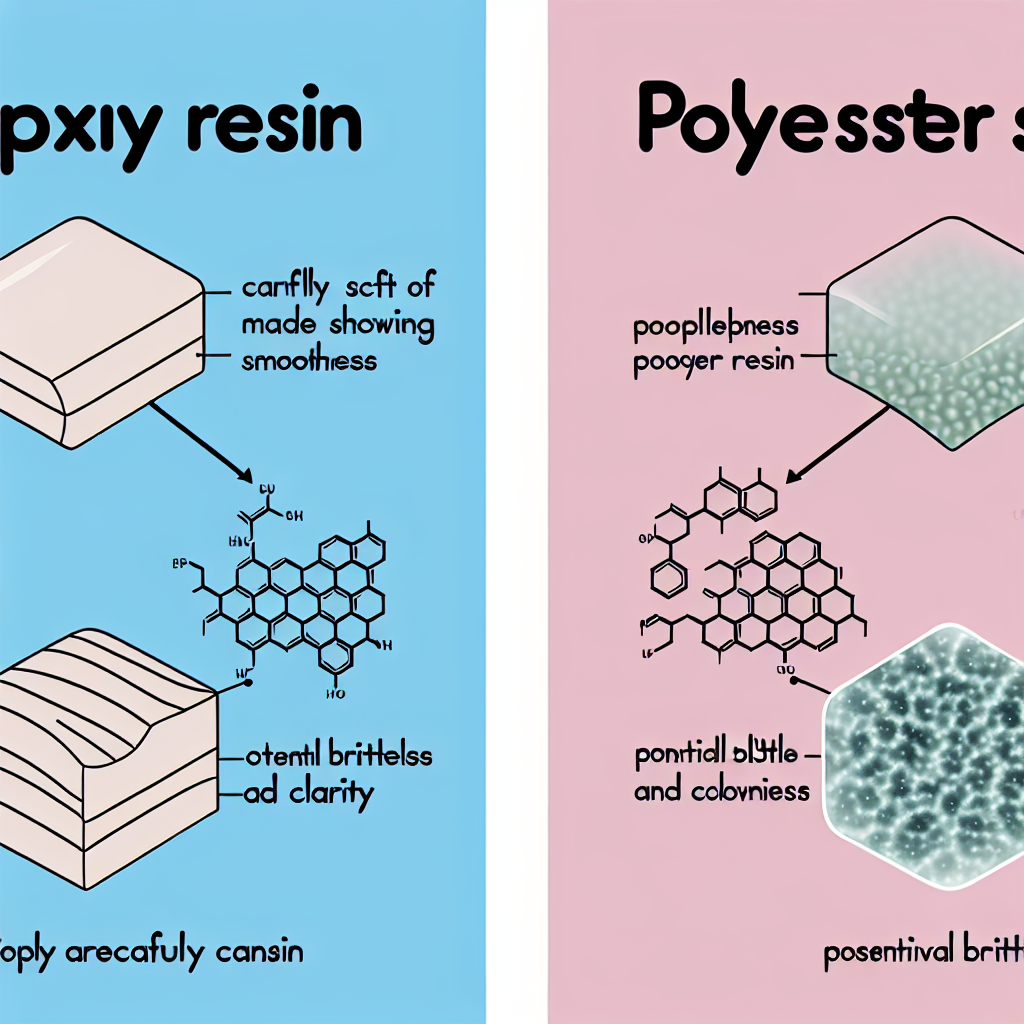
When considering the cost comparison between epoxy and polyester resins, it is essential to understand the various factors that influence their pricing and overall value. Both types of resins are widely used in various applications, including construction, automotive, and marine industries, yet they differ significantly in terms of cost, performance, and suitability for specific projects.
To begin with, the initial purchase price of polyester resin is generally lower than that of epoxy resin. This price difference can be attributed to the manufacturing processes and raw materials used in producing each type of resin. Polyester resins are often produced using less expensive materials and simpler processes, making them more accessible for budget-conscious projects. Consequently, for large-scale applications where cost is a primary concern, polyester resin may appear to be the more economical choice.
However, while the upfront cost of polyester resin is lower, it is crucial to consider the long-term implications of using each type of resin. Epoxy resins, although more expensive initially, offer superior performance characteristics that can lead to cost savings over time. For instance, epoxy resins exhibit excellent adhesion, chemical resistance, and durability, which can result in fewer repairs and replacements in the long run. This durability is particularly important in applications exposed to harsh environmental conditions, where polyester resins may degrade more quickly, leading to additional costs associated with maintenance and replacement.
Moreover, the application process for each type of resin can also impact overall costs. Epoxy resins typically require more precise mixing and application techniques, which may necessitate additional labor or specialized equipment. This can increase the overall project cost, particularly for smaller operations or DIY enthusiasts. In contrast, polyester resins are often easier to work with, allowing for quicker application and potentially lower labor costs. However, this ease of use should be weighed against the potential for reduced performance and longevity.
In addition to the direct costs associated with purchasing and applying the resins, it is also important to consider the environmental impact and safety factors. Epoxy resins often contain fewer volatile organic compounds (VOCs) compared to polyester resins, making them a more environmentally friendly option. This aspect can be particularly relevant for projects where sustainability is a priority. Furthermore, the safety considerations associated with handling and curing each type of resin can also influence overall costs, as additional safety equipment or measures may be required for polyester resins due to their higher toxicity levels.
Ultimately, the decision between epoxy and polyester resins should not be based solely on initial costs but rather on a comprehensive evaluation of the specific project requirements, performance expectations, and long-term implications. While polyester resins may offer a lower upfront cost, the potential for increased maintenance and replacement expenses can negate these savings over time. Conversely, investing in epoxy resins may lead to higher initial costs but can provide significant benefits in terms of durability, performance, and environmental impact. Therefore, it is essential for individuals and businesses to carefully assess their unique needs and budget constraints when determining which resin is the most suitable for their projects. By taking a holistic approach to cost comparison, one can make a more informed decision that aligns with both immediate financial considerations and long-term project goals.
Applications Best Suited for Epoxy and Polyester Resins
When considering the applications best suited for epoxy and polyester resins, it is essential to understand the unique properties and characteristics of each type of resin. Both epoxy and polyester resins have their distinct advantages, making them suitable for various uses across multiple industries. Epoxy resins, known for their superior adhesion, chemical resistance, and mechanical strength, are often favored in applications requiring durability and longevity. For instance, in the construction and automotive industries, epoxy resins are commonly used for bonding materials, coating surfaces, and creating composite materials. Their ability to withstand harsh environmental conditions makes them ideal for applications such as marine coatings, where exposure to water and UV light is prevalent.
In contrast, polyester resins are typically more cost-effective and easier to work with, making them a popular choice for applications where budget constraints are a significant consideration. They are widely used in the production of fiberglass-reinforced plastics, which are prevalent in the manufacturing of boats, automotive parts, and various consumer goods. The relatively quick curing time of polyester resins also contributes to their appeal in industries that require fast production cycles. For example, in the construction of swimming pools and bathtubs, polyester resins are often employed due to their ability to form a smooth, aesthetically pleasing finish while providing adequate strength.
Moreover, the versatility of both resin types allows them to be tailored for specific applications. Epoxy resins can be modified with various additives to enhance their properties, such as flexibility, heat resistance, or electrical insulation. This adaptability makes them suitable for specialized applications, including electronics, where epoxy is often used as an encapsulant for circuit boards. Additionally, in the aerospace industry, epoxy resins are utilized in the fabrication of lightweight composite structures, which are crucial for improving fuel efficiency and performance.
On the other hand, polyester resins can also be formulated to meet specific requirements, although they may not achieve the same level of performance as epoxy in certain areas. For instance, in the production of decorative items and art pieces, polyester resins are frequently chosen for their ease of use and ability to be pigmented or filled with various materials. This characteristic allows artists and craftsmen to create visually appealing products without the complexities associated with epoxy resins.
Furthermore, the environmental impact of each resin type is becoming increasingly important in today’s market. Epoxy resins, while offering superior performance, often contain more hazardous components and may require more stringent safety measures during application. Conversely, polyester resins, particularly those that are bio-based or low-VOC, are gaining traction as more sustainable options. This shift towards environmentally friendly materials is influencing the choice of resin in applications ranging from construction to consumer products.
In conclusion, the decision between epoxy and polyester resins ultimately depends on the specific requirements of the application at hand. While epoxy resins excel in durability and performance, polyester resins offer cost-effectiveness and ease of use. Understanding the strengths and limitations of each resin type allows manufacturers and consumers to make informed choices that align with their project needs, budget constraints, and environmental considerations. As industries continue to evolve, the demand for both epoxy and polyester resins will likely persist, each finding its niche in the diverse landscape of material applications.
Q&A
1. **Question:** What are the main differences in curing time between epoxy and polyester resins?
**Answer:** Epoxy resins typically have a longer curing time, allowing for more working time, while polyester resins cure faster, which can be beneficial for quick projects.
2. **Question:** How do epoxy and polyester resins differ in terms of strength and durability?
**Answer:** Epoxy resins are generally stronger and more durable than polyester resins, offering better adhesion and resistance to environmental factors.
3. **Question:** Which resin is more suitable for outdoor applications?
**Answer:** Epoxy resin is more suitable for outdoor applications due to its superior UV resistance and lower susceptibility to yellowing compared to polyester resin.