


-
Table of Contents
“Unlocking Innovation: The Future of Lightweight Strength with Prepreg Carbon Fiber Materials.”
Introduction
Prepreg carbon fiber materials are advanced composite materials that consist of carbon fiber reinforcement pre-impregnated with a resin system. These materials are designed to offer high strength-to-weight ratios, excellent stiffness, and superior fatigue resistance, making them ideal for a wide range of applications in industries such as aerospace, automotive, and sports equipment. The prepreg process allows for precise control over the fiber-to-resin ratio, resulting in consistent quality and performance. This introduction explores the properties, manufacturing processes, and applications of prepreg carbon fiber materials, highlighting their significance in modern engineering and design.
Overview of Prepreg Carbon Fiber Materials
Prepreg carbon fiber materials have emerged as a pivotal innovation in the realm of advanced composites, offering a unique combination of strength, lightweight properties, and versatility. These materials are essentially carbon fiber fabrics that have been pre-impregnated with a resin system, typically epoxy, which is partially cured to facilitate handling and processing. This pre-impregnation process not only enhances the material’s performance characteristics but also streamlines the manufacturing process, making it a preferred choice in various high-performance applications.
One of the most significant advantages of prepreg carbon fiber materials is their exceptional strength-to-weight ratio. Carbon fiber itself is renowned for its high tensile strength and rigidity, which allows structures to withstand significant loads while remaining lightweight. When combined with a resin matrix, the resulting composite material exhibits enhanced mechanical properties, making it suitable for demanding applications in aerospace, automotive, and sporting goods industries. For instance, in the aerospace sector, where weight reduction is critical for fuel efficiency and performance, prepreg carbon fiber components are increasingly utilized in aircraft structures and components.
Moreover, the manufacturing process of prepreg carbon fiber materials contributes to their superior quality and consistency. The controlled environment in which the resin is applied ensures uniform distribution throughout the fiber matrix, minimizing the risk of defects such as voids or dry spots. This level of precision is particularly important in applications where structural integrity is paramount. Additionally, the ability to store prepreg materials at low temperatures extends their shelf life, allowing manufacturers to prepare components in advance without compromising quality.
Transitioning from the manufacturing process to the application of prepreg carbon fiber materials, it is essential to recognize their versatility. These materials can be molded into complex shapes and structures, making them ideal for a wide range of applications. In the automotive industry, for example, manufacturers are increasingly incorporating prepreg carbon fiber into vehicle components such as body panels, chassis, and interior elements. This not only enhances the aesthetic appeal of vehicles but also contributes to improved performance and fuel efficiency.
Furthermore, the use of prepreg carbon fiber materials is not limited to industrial applications; they have also found a significant place in the sporting goods sector. High-performance bicycles, tennis rackets, and golf clubs often utilize prepreg carbon fiber due to its lightweight nature and ability to absorb vibrations, thereby enhancing the user experience. Athletes benefit from equipment that not only performs better but also reduces fatigue during use, showcasing the material’s impact on sports performance.
In addition to their mechanical properties and versatility, prepreg carbon fiber materials are also recognized for their environmental benefits. As industries strive to reduce their carbon footprint, the lightweight nature of carbon fiber composites contributes to lower energy consumption in transportation applications. Moreover, advancements in recycling technologies are paving the way for more sustainable practices in the production and disposal of carbon fiber materials.
In conclusion, prepreg carbon fiber materials represent a significant advancement in composite technology, characterized by their strength, lightweight properties, and versatility. Their applications span various industries, from aerospace to automotive and sporting goods, underscoring their importance in modern manufacturing. As technology continues to evolve, the potential for prepreg carbon fiber materials to contribute to innovative solutions and sustainable practices remains promising, making them a focal point in the development of future materials.
Benefits of Using Prepreg Carbon Fiber in Manufacturing
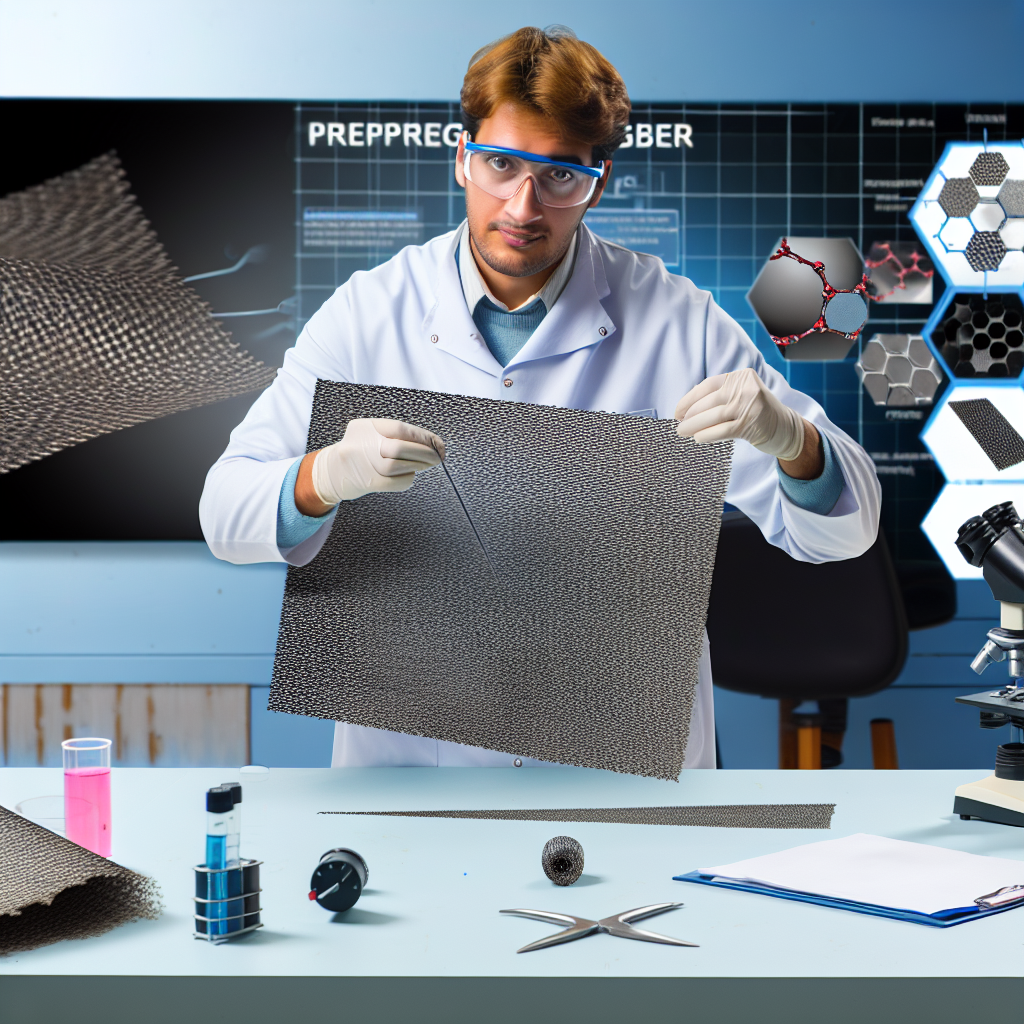
Prepreg carbon fiber materials have gained significant traction in various manufacturing sectors due to their unique properties and advantages. One of the most notable benefits of using prepreg carbon fiber is its exceptional strength-to-weight ratio. This characteristic makes it an ideal choice for applications where reducing weight without compromising structural integrity is crucial. Industries such as aerospace, automotive, and sporting goods have increasingly adopted prepreg carbon fiber to enhance performance while minimizing overall weight, leading to improved fuel efficiency and speed.
In addition to its lightweight nature, prepreg carbon fiber exhibits remarkable stiffness. This stiffness translates into superior dimensional stability, which is essential for components that must maintain precise tolerances during operation. For instance, in the aerospace industry, where even minor deviations can lead to significant performance issues, the use of prepreg carbon fiber ensures that parts remain rigid and reliable under various conditions. Consequently, manufacturers can produce components that not only meet stringent regulatory standards but also enhance the overall safety and reliability of their products.
Another significant advantage of prepreg carbon fiber is its ease of use in the manufacturing process. Prepreg materials are pre-impregnated with resin, which allows for a more controlled and consistent application of the resin during the layup process. This characteristic reduces the likelihood of defects, such as air bubbles or uneven resin distribution, which can compromise the integrity of the final product. Furthermore, the controlled resin content in prepreg materials leads to a more efficient curing process, often resulting in shorter production times and reduced waste. As a result, manufacturers can achieve higher throughput while maintaining quality standards.
Moreover, the versatility of prepreg carbon fiber cannot be overlooked. It can be molded into complex shapes and structures, making it suitable for a wide range of applications. From intricate aerospace components to sleek automotive parts, the adaptability of prepreg carbon fiber allows designers and engineers to push the boundaries of innovation. This flexibility is particularly beneficial in industries where customization and unique designs are paramount, enabling manufacturers to meet specific client requirements without sacrificing performance.
In addition to its mechanical properties and manufacturing advantages, prepreg carbon fiber also offers excellent resistance to environmental factors. It is inherently resistant to corrosion, moisture, and UV radiation, which enhances the longevity of components made from this material. This durability is particularly advantageous in applications exposed to harsh conditions, such as marine environments or high-performance automotive settings. By utilizing prepreg carbon fiber, manufacturers can produce components that not only perform exceptionally well but also require less maintenance over time, ultimately reducing lifecycle costs.
Furthermore, the aesthetic appeal of prepreg carbon fiber cannot be understated. Its distinctive woven appearance and the ability to achieve a high-gloss finish make it a popular choice for consumer products, particularly in the luxury market. This visual appeal, combined with its performance characteristics, allows manufacturers to create products that are not only functional but also visually striking, thereby enhancing marketability.
In conclusion, the benefits of using prepreg carbon fiber in manufacturing are manifold. Its exceptional strength-to-weight ratio, stiffness, ease of use, versatility, environmental resistance, and aesthetic appeal make it a material of choice across various industries. As technology continues to advance and the demand for high-performance materials grows, prepreg carbon fiber is poised to play an increasingly vital role in the future of manufacturing, driving innovation and efficiency in countless applications.
Applications of Prepreg Carbon Fiber in Various Industries
Prepreg carbon fiber materials have gained significant traction across various industries due to their unique properties, which include high strength-to-weight ratios, excellent fatigue resistance, and superior thermal stability. These characteristics make prepreg carbon fiber an ideal choice for applications where performance and durability are paramount. In the aerospace sector, for instance, the demand for lightweight yet robust materials is critical for enhancing fuel efficiency and overall aircraft performance. Prepreg carbon fiber is extensively used in the construction of aircraft components such as wings, fuselage sections, and tail structures. The ability to mold these materials into complex shapes allows for optimized aerodynamic designs, which further contribute to reduced drag and improved fuel economy.
Transitioning from aerospace to the automotive industry, the advantages of prepreg carbon fiber become equally apparent. As manufacturers strive to meet stringent fuel efficiency standards and consumer demands for high-performance vehicles, the integration of lightweight materials has become essential. Prepreg carbon fiber is increasingly utilized in the production of body panels, chassis components, and interior elements. By replacing traditional materials with carbon fiber composites, automotive engineers can significantly reduce vehicle weight without compromising safety or structural integrity. This shift not only enhances performance but also contributes to lower emissions, aligning with global sustainability goals.
Moreover, the sporting goods industry has embraced prepreg carbon fiber for its exceptional performance characteristics. High-end bicycles, golf clubs, and tennis rackets are often constructed using these advanced materials, allowing athletes to benefit from improved strength and reduced weight. The precision with which prepreg carbon fiber can be manufactured enables the creation of tailored products that meet the specific needs of athletes, enhancing their performance and overall experience. As a result, the use of prepreg carbon fiber in sports equipment continues to grow, driven by consumer demand for high-performance gear.
In addition to aerospace, automotive, and sporting goods, the medical field has also recognized the potential of prepreg carbon fiber materials. Medical devices and prosthetics require materials that are not only lightweight but also strong and biocompatible. Prepreg carbon fiber meets these criteria, making it an excellent choice for applications such as orthopedic implants and surgical instruments. The ability to customize the properties of prepreg carbon fiber through varying fiber orientations and resin systems allows for the development of devices that can withstand the rigors of medical use while providing comfort and functionality to patients.
Furthermore, the energy sector has begun to explore the benefits of prepreg carbon fiber, particularly in wind turbine blade manufacturing. As the demand for renewable energy sources increases, the need for larger and more efficient wind turbines has become evident. Prepreg carbon fiber offers the necessary strength and stiffness to support longer blades, which can capture more wind energy and improve overall efficiency. This application not only highlights the versatility of prepreg carbon fiber but also underscores its role in advancing sustainable energy solutions.
In conclusion, the applications of prepreg carbon fiber materials span a wide array of industries, each benefiting from the unique properties that these advanced composites offer. From enhancing the performance of aircraft and automobiles to revolutionizing sports equipment and medical devices, prepreg carbon fiber continues to demonstrate its value as a material of choice in modern manufacturing. As technology advances and the demand for high-performance materials grows, it is likely that the use of prepreg carbon fiber will expand even further, paving the way for innovative solutions across various sectors.
Q&A
1. **What are prepreg carbon fiber materials?**
Prepreg carbon fiber materials are composite materials that consist of carbon fiber reinforcement pre-impregnated with a resin system, typically epoxy, which is partially cured to facilitate handling and processing.
2. **What are the advantages of using prepreg carbon fiber materials?**
The advantages include high strength-to-weight ratio, excellent stiffness, reduced manufacturing time, and improved consistency in material properties due to controlled resin content.
3. **What are common applications of prepreg carbon fiber materials?**
Common applications include aerospace components, automotive parts, sporting goods, and high-performance industrial applications where lightweight and high strength are critical.