


-
Table of Contents
“Carbon Fiber Fabric: The Lightweight Powerhouse Revolutionizing Industries from Aerospace to Fashion.”
Introduction
Carbon fiber fabric is a lightweight, high-strength material made from thin strands of carbon atoms that are woven together to create a versatile textile. Known for its exceptional strength-to-weight ratio, carbon fiber fabric is widely used in various industries, including aerospace, automotive, sports equipment, and construction. Its unique properties, such as resistance to corrosion and fatigue, make it an ideal choice for applications requiring durability and performance. The fabric can be combined with resins to form composite materials, enhancing its structural integrity and allowing for innovative designs in high-performance products.
Overview Of Carbon Fiber Fabric: Properties And Benefits
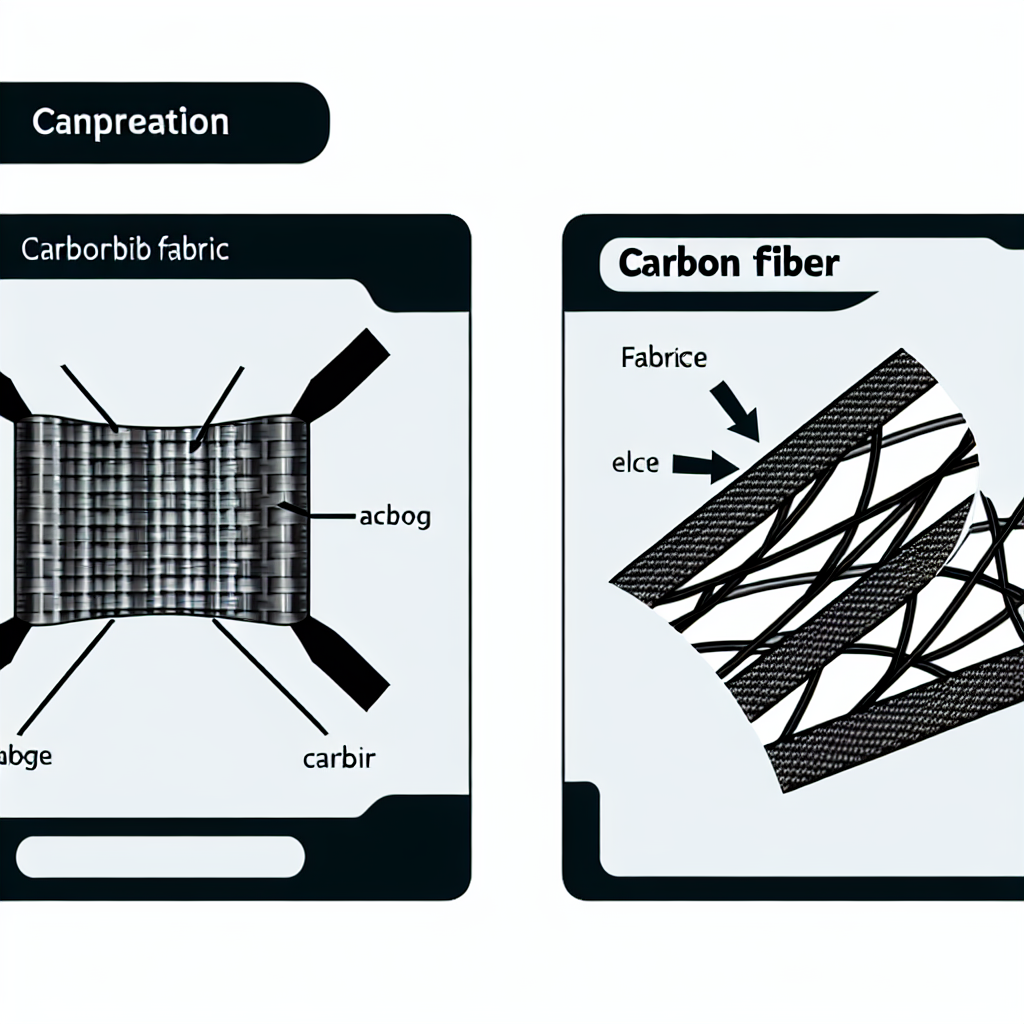
Carbon fiber fabric is a composite material that has gained significant attention in various industries due to its remarkable properties and benefits. Composed primarily of carbon atoms, this fabric is created through a process that involves the spinning of carbon fibers into a woven structure. The result is a lightweight yet incredibly strong material that exhibits exceptional stiffness and tensile strength. These characteristics make carbon fiber fabric an ideal choice for applications where weight reduction and structural integrity are paramount.
One of the most notable properties of carbon fiber fabric is its high strength-to-weight ratio. This means that it can withstand substantial forces while remaining significantly lighter than traditional materials such as steel or aluminum. Consequently, carbon fiber fabric is extensively used in the aerospace and automotive industries, where reducing weight can lead to improved fuel efficiency and enhanced performance. For instance, in the aerospace sector, aircraft components made from carbon fiber can contribute to lower operational costs and increased payload capacity, making it a preferred material for manufacturers.
In addition to its strength and lightweight nature, carbon fiber fabric is also known for its excellent resistance to corrosion and fatigue. Unlike metals, which can rust or degrade over time, carbon fiber maintains its structural integrity even when exposed to harsh environmental conditions. This property is particularly advantageous in marine applications, where components are often subjected to saltwater and other corrosive elements. Furthermore, the fatigue resistance of carbon fiber fabric ensures that it can endure repeated stress without succumbing to failure, making it a reliable choice for high-performance applications.
Another significant benefit of carbon fiber fabric is its versatility in design and manufacturing. The fabric can be easily molded into complex shapes, allowing for innovative designs that would be challenging to achieve with traditional materials. This adaptability has led to its widespread use in various sectors, including sports equipment, medical devices, and consumer electronics. For example, high-end bicycles often incorporate carbon fiber components to enhance performance and reduce weight, while medical prosthetics benefit from the material’s ability to be tailored to individual needs.
Moreover, carbon fiber fabric offers excellent thermal and electrical conductivity, which opens up additional avenues for its application. In the electronics industry, carbon fiber can be used in the production of lightweight, durable casings for devices, providing both protection and aesthetic appeal. Its thermal properties also make it suitable for applications in heat management systems, where efficient heat dissipation is crucial.
Despite its many advantages, it is essential to consider the challenges associated with carbon fiber fabric. The manufacturing process can be more expensive than that of traditional materials, which may limit its use in cost-sensitive applications. Additionally, recycling carbon fiber remains a complex issue, as the material is not as easily recyclable as metals or plastics. However, ongoing research and advancements in recycling technologies are gradually addressing these concerns, paving the way for more sustainable practices in the future.
In conclusion, carbon fiber fabric stands out as a remarkable material characterized by its strength, lightweight nature, corrosion resistance, and versatility. Its applications span a wide range of industries, from aerospace to sports equipment, highlighting its significance in modern manufacturing. As technology continues to evolve, the potential for carbon fiber fabric to contribute to innovative solutions and sustainable practices remains promising, ensuring its relevance in the years to come.
Applications Of Carbon Fiber Fabric In Various Industries
Carbon fiber fabric, known for its remarkable strength-to-weight ratio and rigidity, has found extensive applications across various industries, revolutionizing the way products are designed and manufactured. One of the most prominent sectors utilizing carbon fiber fabric is the aerospace industry. In this field, the lightweight nature of carbon fiber allows for significant reductions in aircraft weight, which in turn enhances fuel efficiency and overall performance. Components such as wings, fuselage sections, and interior structures are increasingly being constructed from carbon fiber composites, leading to advancements in both commercial and military aviation.
Transitioning from aerospace to the automotive industry, carbon fiber fabric has similarly made a substantial impact. High-performance vehicles, particularly in motorsports, leverage carbon fiber for components such as body panels, chassis, and even interior elements. The use of carbon fiber not only contributes to weight savings, which is crucial for speed and agility, but also enhances the vehicle’s structural integrity. As a result, manufacturers are increasingly incorporating carbon fiber into production models, appealing to consumers who prioritize performance and efficiency.
Moreover, the sporting goods industry has embraced carbon fiber fabric for its superior properties. From bicycles to tennis rackets, the material is favored for its ability to provide strength without adding unnecessary weight. Athletes benefit from equipment that enhances performance while reducing fatigue, allowing for longer training sessions and improved results. This trend is not limited to traditional sports; emerging activities such as drone racing and e-sports are also utilizing carbon fiber to create lightweight, durable equipment that meets the demands of competitive environments.
In addition to these industries, the construction sector has begun to explore the advantages of carbon fiber fabric. Its application in reinforcing structures, such as bridges and buildings, offers a solution to enhance durability and extend the lifespan of existing infrastructures. Carbon fiber composites can be used to wrap columns or beams, providing additional strength without significantly increasing weight. This innovative approach not only improves safety but also reduces the need for extensive renovations, making it a cost-effective solution for modern construction challenges.
Furthermore, the medical field has recognized the potential of carbon fiber fabric in the development of prosthetics and orthopedic devices. The lightweight and strong characteristics of carbon fiber allow for the creation of prosthetic limbs that are both functional and comfortable for users. Additionally, carbon fiber is used in surgical instruments and implants, where precision and strength are paramount. The integration of this material into medical applications exemplifies how carbon fiber can enhance quality of life for individuals with mobility challenges.
As we consider the future, the versatility of carbon fiber fabric suggests that its applications will continue to expand. Research and development efforts are underway to explore new manufacturing techniques and composite formulations that could further enhance its properties. Industries such as renewable energy are beginning to investigate the use of carbon fiber in wind turbine blades, where strength and lightweight characteristics are essential for efficiency and performance.
In conclusion, carbon fiber fabric has established itself as a transformative material across a multitude of industries. Its unique properties enable innovations that enhance performance, safety, and efficiency, making it a critical component in the design and manufacturing processes of the future. As technology advances and new applications are discovered, the role of carbon fiber fabric is likely to grow, further solidifying its importance in modern engineering and design.
The Manufacturing Process Of Carbon Fiber Fabric: A Step-By-Step Guide
The manufacturing process of carbon fiber fabric is a complex and intricate procedure that transforms raw materials into a lightweight, high-strength material widely used in various industries. To begin with, the primary raw material for carbon fiber production is polyacrylonitrile (PAN), which is a synthetic polymer. The journey of carbon fiber fabric starts with the preparation of this precursor material. Initially, PAN is spun into fibers through a process known as wet or dry spinning. During this stage, the polymer is dissolved in a solvent and extruded through spinnerets, forming continuous filaments. These filaments are then solidified, creating a stable fiber structure.
Once the fibers are formed, they undergo a series of stabilization processes. This step is crucial as it prepares the fibers for the subsequent carbonization phase. Stabilization typically involves heating the fibers in air at temperatures ranging from 200 to 300 degrees Celsius. This process allows the fibers to undergo chemical changes, which help to maintain their structure during carbonization. Following stabilization, the fibers are subjected to carbonization, where they are heated in an inert atmosphere, usually nitrogen or argon, at temperatures exceeding 1,000 degrees Celsius. During this phase, non-carbon elements such as hydrogen, oxygen, and nitrogen are expelled, resulting in a material that is predominantly composed of carbon atoms.
After carbonization, the resulting carbon fibers are extremely strong and lightweight, but they are also brittle. To enhance their mechanical properties and make them more suitable for various applications, the fibers are often treated with surface modifications. This treatment can involve applying a sizing agent, which improves the bonding between the carbon fibers and the resin matrix in composite materials. The sizing agent also helps to protect the fibers during handling and processing.
Once the carbon fibers are prepared, they can be woven into fabric. The weaving process involves interlacing the carbon fibers in various patterns, such as plain weave, twill weave, or satin weave, depending on the desired properties of the final fabric. Each weaving pattern offers different characteristics, such as flexibility, strength, and drapability, making it essential to choose the appropriate weave for specific applications. The woven fabric can then be cut into desired shapes and sizes, ready for further processing.
In addition to weaving, carbon fiber fabrics can also be produced through non-woven methods, such as needle punching or stitching. These techniques allow for the creation of composite materials that can be tailored to meet specific performance requirements. After the fabric is formed, it is often combined with resin to create composite materials. The resin acts as a binding agent, providing additional strength and durability to the final product. The combination of carbon fiber and resin results in a composite that exhibits exceptional mechanical properties, making it suitable for applications in aerospace, automotive, sports equipment, and many other fields.
In conclusion, the manufacturing process of carbon fiber fabric is a meticulous journey that involves several critical steps, from the initial spinning of PAN fibers to the final weaving and resin application. Each stage plays a vital role in determining the quality and performance of the carbon fiber fabric, ultimately contributing to its widespread use in advanced engineering applications. As technology continues to evolve, the methods of producing carbon fiber fabric are likely to become even more efficient and innovative, further expanding its potential applications across various industries.
Q&A
1. **What is carbon fiber fabric?**
Carbon fiber fabric is a material made from thin strands of carbon atoms that are woven together to create a lightweight, strong, and durable textile. It is known for its high tensile strength and low weight.
2. **How is carbon fiber fabric produced?**
Carbon fiber fabric is produced by spinning carbon fibers from a precursor material, typically polyacrylonitrile (PAN), followed by a series of heating and chemical processes that remove non-carbon elements, resulting in a fabric that is primarily composed of carbon.
3. **What are the common uses of carbon fiber fabric?**
Carbon fiber fabric is commonly used in aerospace, automotive, sports equipment, and construction industries due to its strength-to-weight ratio, resistance to corrosion, and ability to be molded into complex shapes.