


-
Table of Contents
“Understanding Carbon Fiber Cloth: The Key Differences Between 1K, 3K, 6K, 12K, and 24K Weaves for Optimal Performance.”
Introduction
The difference between 1K, 3K, 6K, 12K, and 24K carbon fiber cloth primarily lies in the number of carbon fibers per bundle, which affects the material’s weight, strength, flexibility, and application suitability. 1K carbon fiber cloth contains 1,000 fibers per bundle, making it lightweight and ideal for applications requiring precision and detail, such as in aerospace and high-end automotive parts. 3K cloth, with 3,000 fibers, offers a balance of strength and weight, commonly used in sporting goods and consumer products. 6K cloth, containing 6,000 fibers, provides increased durability and is often utilized in structural applications. 12K and 24K carbon fiber cloths, with 12,000 and 24,000 fibers respectively, are heavier and stronger, making them suitable for industrial applications where high strength and rigidity are essential. Understanding these differences is crucial for selecting the appropriate carbon fiber cloth for specific projects and performance requirements.
Understanding Carbon Fiber Cloth Weights: 1K vs. 3K
Carbon fiber cloth is a material renowned for its strength, lightweight properties, and versatility, making it a popular choice in various industries, including aerospace, automotive, and sports equipment. When discussing carbon fiber cloth, one often encounters terms like 1K, 3K, 6K, 12K, and 24K, which refer to the number of filaments in each tow of the fabric. Understanding the differences between these designations is crucial for selecting the appropriate material for specific applications.
To begin with, the “K” in these terms stands for “kilo,” which indicates the number of filaments in a single tow. For instance, 1K carbon fiber cloth contains 1,000 filaments per tow, while 3K carbon fiber cloth contains 3,000 filaments per tow. This distinction is significant because it directly influences the fabric’s characteristics, including its weight, strength, and flexibility. As one might expect, the higher the K number, the greater the number of filaments, which typically results in a denser and heavier fabric.
When comparing 1K and 3K carbon fiber cloth, one of the most notable differences lies in their applications. 1K carbon fiber is often favored for projects requiring a high degree of precision and detail, such as in the production of small components or intricate designs. Its lightweight nature allows for the creation of parts that do not compromise on strength while maintaining a minimal weight. This makes 1K cloth particularly suitable for high-performance applications, such as in the aerospace industry, where every gram counts.
On the other hand, 3K carbon fiber cloth strikes a balance between weight and strength, making it a versatile option for a broader range of applications. It is commonly used in automotive parts, sporting goods, and various consumer products. The increased number of filaments in 3K cloth provides enhanced durability and structural integrity, which is essential for components that must withstand significant stress and strain. Additionally, the slightly heavier weight of 3K cloth compared to 1K cloth can be advantageous in applications where added mass contributes to stability and performance.
Moreover, the weaving pattern of the cloth also plays a crucial role in determining its overall performance. Both 1K and 3K carbon fiber cloth can be woven in various patterns, such as plain weave, twill weave, or satin weave, each offering different aesthetic and functional properties. For instance, a twill weave may provide better drapability, making it easier to conform to complex shapes, while a plain weave may offer a more rigid structure.
In terms of cost, 1K carbon fiber cloth is generally more expensive than 3K cloth due to the complexity of manufacturing and the precision required in its production. Consequently, the choice between 1K and 3K carbon fiber cloth often hinges on the specific requirements of the project, including budget constraints, desired performance characteristics, and the intended application.
In conclusion, understanding the differences between 1K and 3K carbon fiber cloth is essential for making informed decisions in material selection. While 1K cloth excels in applications demanding lightweight precision, 3K cloth offers a robust alternative for a wider array of uses. By considering factors such as weight, strength, and application requirements, one can effectively choose the right carbon fiber cloth to meet their needs.
The Benefits of Using 6K and 12K Carbon Fiber Cloth
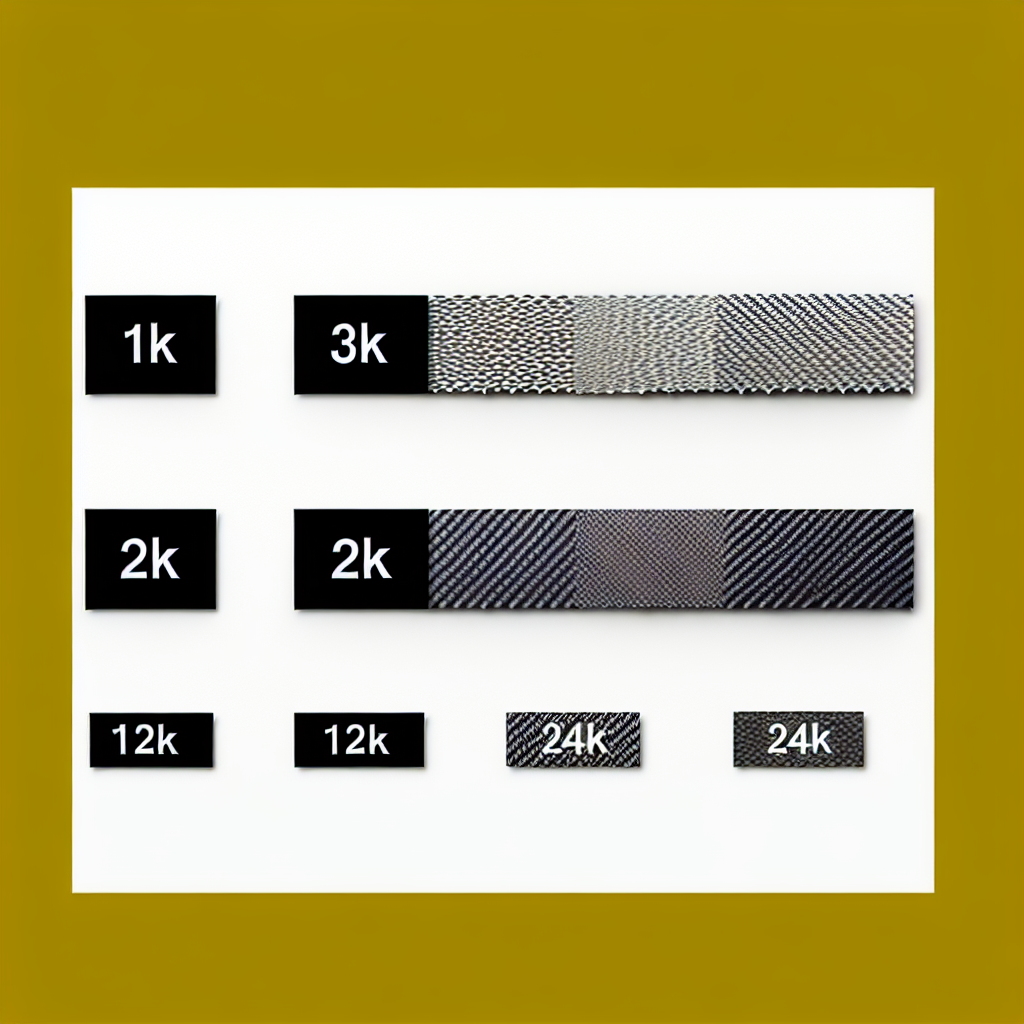
When considering the various types of carbon fiber cloth available in the market, it is essential to understand the distinctions between different fiber counts, particularly 6K and 12K carbon fiber cloth. These materials are increasingly popular in industries ranging from aerospace to automotive, and their unique properties offer numerous advantages that cater to specific applications. The primary difference between 6K and 12K carbon fiber cloth lies in the number of filaments per tow, which significantly influences their mechanical properties, weight, and overall performance.
To begin with, 6K carbon fiber cloth consists of 6,000 filaments per tow, while 12K carbon fiber cloth contains 12,000 filaments per tow. This difference in filament count results in varying characteristics that can be advantageous depending on the intended use. For instance, 6K carbon fiber cloth is often favored for applications requiring a balance between strength and weight. Its lower filament count allows for greater flexibility and ease of handling, making it an excellent choice for intricate designs and components that require precise shaping. Additionally, the 6K cloth provides sufficient strength for many applications while maintaining a lightweight profile, which is crucial in industries where weight reduction is paramount.
On the other hand, 12K carbon fiber cloth offers enhanced strength and rigidity due to its higher filament count. This makes it particularly suitable for applications that demand superior structural integrity, such as in the construction of high-performance automotive parts or aerospace components. The increased density of the fibers in 12K cloth contributes to its ability to withstand greater loads and stresses, making it an ideal choice for parts that experience significant mechanical forces. Furthermore, the thicker tows of 12K cloth can lead to improved impact resistance, which is a critical factor in environments where durability is essential.
Moreover, the choice between 6K and 12K carbon fiber cloth can also influence the manufacturing process. The handling characteristics of 6K cloth allow for easier manipulation during layup, which can be particularly beneficial in complex mold designs. Conversely, while 12K cloth may be more challenging to work with due to its stiffness, it can provide a more robust final product when properly processed. This trade-off between ease of use and final performance is an important consideration for manufacturers and engineers when selecting the appropriate material for their projects.
In addition to mechanical properties, the aesthetic qualities of carbon fiber cloth should not be overlooked. Both 6K and 12K options can be finished to achieve a visually appealing surface, which is often a significant factor in consumer products where appearance matters. The choice between the two may also depend on the desired finish and the specific visual characteristics that the end product requires.
Ultimately, the decision to use 6K or 12K carbon fiber cloth should be guided by the specific requirements of the application at hand. While 6K cloth offers a balance of flexibility and strength, making it suitable for intricate designs, 12K cloth provides enhanced durability and rigidity for high-stress applications. By understanding these differences, manufacturers can make informed choices that optimize performance, weight, and aesthetics in their products, ensuring that they meet the demands of their respective industries effectively.
Comparing 12K and 24K Carbon Fiber Cloth for Advanced Applications
When it comes to advanced applications in industries such as aerospace, automotive, and sporting goods, the choice of carbon fiber cloth is crucial for achieving optimal performance and durability. Among the various options available, 12K and 24K carbon fiber cloths stand out due to their unique properties and applications. Understanding the differences between these two types of carbon fiber cloth can significantly impact the effectiveness of the final product.
To begin with, the designation of 12K and 24K refers to the number of filaments in each tow of carbon fiber. Specifically, 12K carbon fiber cloth contains 12,000 filaments per tow, while 24K carbon fiber cloth contains 24,000 filaments per tow. This fundamental difference in filament count leads to variations in the mechanical properties, weight, and overall performance of the materials. For instance, 24K carbon fiber cloth is generally thicker and heavier than its 12K counterpart, which can be advantageous in applications requiring enhanced strength and rigidity.
Moreover, the increased filament count in 24K carbon fiber cloth contributes to its superior tensile strength and stiffness. This makes it particularly suitable for applications where high load-bearing capacity is essential, such as in structural components of aircraft or high-performance vehicles. In contrast, 12K carbon fiber cloth, while still strong, offers a lighter alternative that may be more appropriate for applications where weight savings are critical, such as in the production of sporting equipment or lightweight automotive parts.
In addition to mechanical properties, the weave pattern of the cloth also plays a significant role in determining its suitability for specific applications. Both 12K and 24K carbon fiber cloths can be woven in various patterns, including plain, twill, and satin weaves. The choice of weave affects not only the aesthetic appeal of the final product but also its flexibility and drapability. For instance, a twill weave may provide better conformability to complex shapes, making it easier to work with in intricate designs. Therefore, when selecting between 12K and 24K carbon fiber cloth, it is essential to consider not only the filament count but also the weave pattern that best suits the intended application.
Furthermore, the cost of these materials can vary significantly, with 24K carbon fiber cloth typically being more expensive due to its higher filament count and enhanced performance characteristics. This cost factor can influence decision-making, particularly for projects with budget constraints. However, it is important to weigh the long-term benefits of investing in higher-quality materials against the initial expenditure. In many cases, the durability and performance advantages of 24K carbon fiber cloth can justify the higher cost, especially in high-stakes applications where failure is not an option.
Ultimately, the choice between 12K and 24K carbon fiber cloth should be guided by the specific requirements of the application at hand. Factors such as weight, strength, flexibility, and cost must all be considered to ensure that the selected material aligns with the performance goals of the project. By carefully evaluating these aspects, engineers and designers can make informed decisions that enhance the overall quality and effectiveness of their products. In conclusion, both 12K and 24K carbon fiber cloths offer distinct advantages, and understanding their differences is essential for optimizing performance in advanced applications.
Q&A
1. **What does the “K” in carbon fiber cloth designations (1K, 3K, 6K, 12K, 24K) represent?**
The “K” represents the number of individual carbon fibers in a bundle, with “1K” indicating 1,000 fibers, “3K” indicating 3,000 fibers, and so on.
2. **How does the fiber count affect the properties of carbon fiber cloth?**
Higher K values (e.g., 12K, 24K) generally result in thicker, stronger, and stiffer fabrics, while lower K values (e.g., 1K, 3K) produce lighter and more flexible materials.
3. **What are typical applications for different K ratings of carbon fiber cloth?**
1K and 3K are often used in applications requiring lightweight and high precision, such as aerospace components, while 6K, 12K, and 24K are used in structural applications like automotive parts and sporting goods where strength is prioritized.